Introduction
Mayonnaise, often called “mayo,” is a staple in kitchens worldwide. Whether spreading it on a sandwich or mixing it into a salad, understanding the Mayo nutrition label is essential for anyone conscious about their health and calorie intake. Let’s break down its nutrition profile and explore smarter ways to enjoy this beloved condiment.
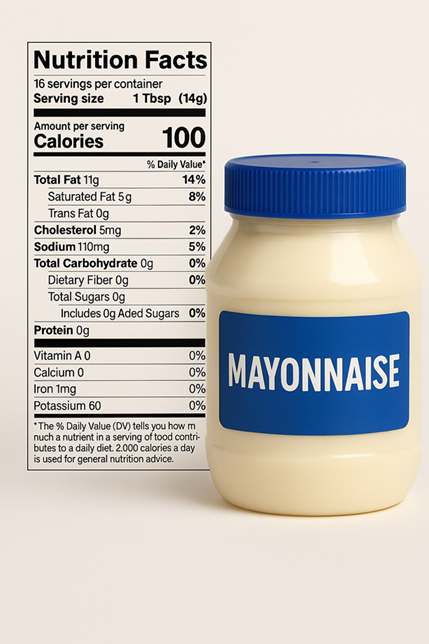
A standard serving of mayonnaise (1 tablespoon = 14g) provides the following:
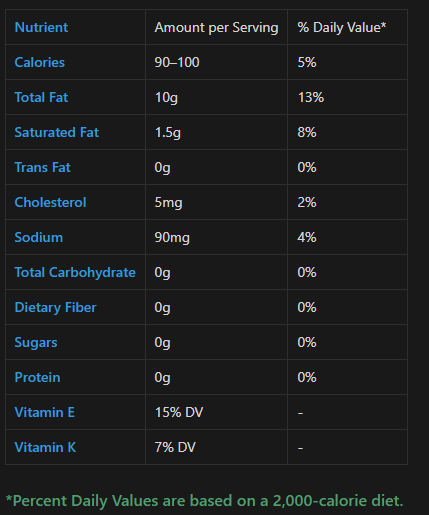
Mayo is high in fats, with minimal carbohydrates and protein.
Breakdown of Nutrients in Mayo
1. Calories
One tablespoon contains approximately 90–100 calories, primarily from fat.
2. Fats
- Total Fat: 10g, mainly unsaturated fats if made with healthy oils like canola or soybean.
- Saturated Fat: 1.5g; moderation is advised.
- Trans Fats: Negligible to none in most commercial brands.
Resource: EFSA: Fat
3. Cholesterol
Mayo provides about 5mg cholesterol per serving, mainly from egg yolks.
4. Sodium
At 90mg per tablespoon, it contributes to daily sodium intake but is moderate compared to processed foods.
5. Micronutrients
Mayonnaise offers a small amount of Vitamin E and Vitamin K, supporting heart and bone health.
Resource: WHO: Vitamin E & K
Common Mayo Ingredients
Typical ingredients found in mayonnaise:
- Egg Yolks
- Vegetable Oil (soybean, canola, olive oil)
- Vinegar or Lemon Juice
- Mustard
- Salt
- Sometimes Sugar and Preservatives (e.g., calcium disodium EDTA)
Is Mayo Healthy?
While mayonnaise is calorie-dense, it can fit into a healthy diet when consumed wisely:
Pros
- Contains heart-healthy unsaturated fats (if made with quality oils).
- Source of Vitamin E and Vitamin K.
- Keto- and low-carb-friendly.
Cons
- High calorie density can lead to overconsumption.
- Can raise cholesterol levels if overused.
- Processed brands may include additives and preservatives.
Bottom Line: Moderation and smart choices are key.
Pro Tip: Compare labels to choose the healthier option (e.g., lower sodium, higher fiber).
For a deeper dive, read our guide: How to Read a Nutrition Label Correctly.
Healthier Mayo Alternatives
Looking to make your mayo habits healthier? Consider these strategies:
1. Greek Yogurt Swap
Replace half the mayo in recipes with nonfat Greek yogurt to:
- Cut fat content.
- Boost protein levels.
- Retain a creamy texture with a slight tang.
A half-cup serving offers just 90 calories, 2g fiber, 2g protein, and only 6g of fat!
Source: Academy of Nutrition & Dietetics
2. Aquafaba: The Vegan Miracle
Aquafaba, or the liquid from canned chickpeas, is:
- A low-calorie, cholesterol-free egg substitute.
- Ideal for making vegan mayo that’s fluffy and rich.
- Budget-friendly and naturally plant-based.
Three tablespoons of aquafaba equal one egg!
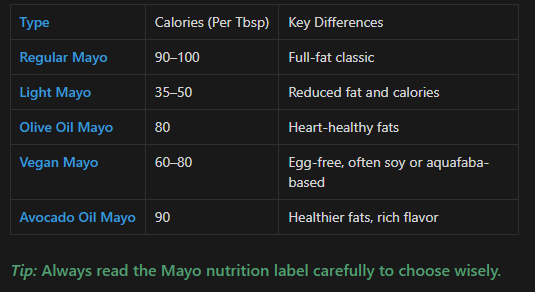
Different Types of Mayonnaise
Tips for Healthier Mayo Consumption
- Stick to Portions: Limit yourself to one tablespoon.
- Choose Light or Olive Oil Versions: Less saturated fat and calories.
- DIY Mayo at Home: Control ingredients and skip preservatives.
- Smart Pairings: Combine with fiber-rich veggies or whole grains for a balanced meal.