Skinny Pop has gained popularity among health-conscious snackers who are seeking a lighter alternative to traditional popcorn. To make informed dietary choices, it’s important to understand what the nutrition label reveals. In this comprehensive guide, we’ll break down the Skinny Pop nutrition label, explore its ingredients, and compare it with other popcorn brands. By the end, you’ll have a clearer idea of whether this snack deserves a spot in your pantry.
Skinny Pop Nutrition Label: Detailed Breakdown
Skinny Pop prides itself on offering a simple, clean-ingredient snack option. To better understand its health value, let’s take a closer look at what’s actually in each serving. Additionally, we’ll compare these nutritional details to daily recommended intake values to see how Skinny Pop fits into a balanced diet.
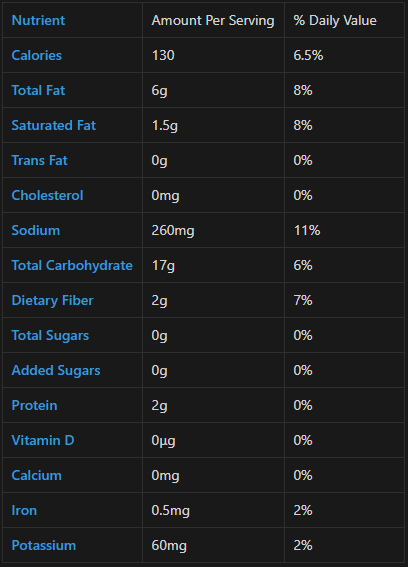
The % Daily Value (%DV) indicates how much a nutrient in one serving of food contributes to your overall daily diet. Typically, this is based on a standard reference of 2,000 calories per day, which serves as a general guideline for nutrition advice. However, your individual calorie needs may vary depending on factors such as age, gender, weight, height, and activity level.
Want This Information On-The-Go?
Download our printable Skinny Pop nutrition guide to help you make informed snacking choices wherever you are.
Skinny Pop Ingredients Analysis
One of Skinny Pop’s main selling points is its simple ingredient list. Let’s take a closer look at what goes into this popular popcorn brand.
Original Flavor Ingredients
- Popcorn
- Sunflower Oil
- Palm Oil
- Sea Salt
Skinny Pop’s original flavor is made with just four simple ingredients, and it contains no artificial additives, preservatives, or flavorings. Moreover, the popcorn is non-GMO and made using whole grain corn, which makes it a cleaner choice for mindful snackers.
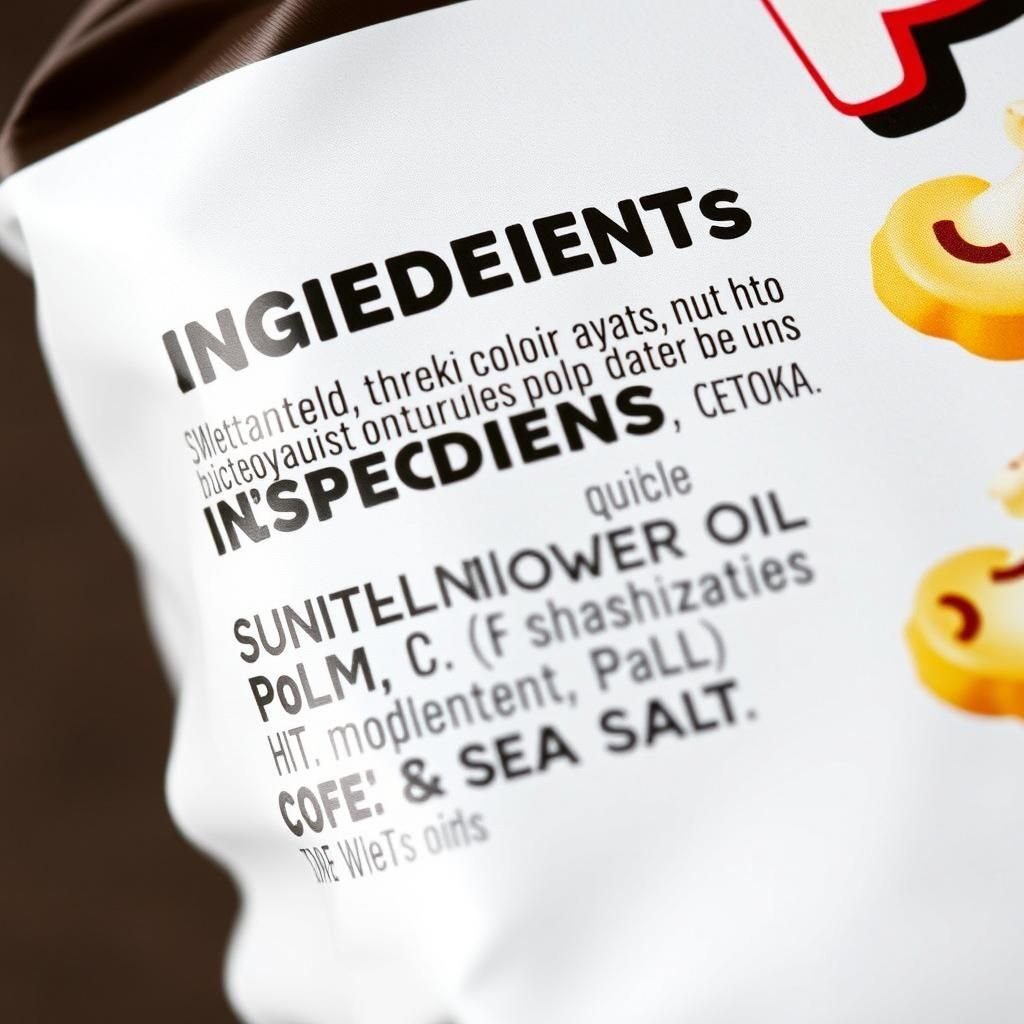
Simple ingredients but palm oil may concern eco-conscious consumers.
Other Flavor Variations
While the original flavor maintains a simple ingredient profile, other Skinny Pop flavors include additional ingredients:
Butter Flavor
Adds natural non-dairy butter flavor and lactic acid (for flavor) to the original ingredient list. Despite the butter flavor, this variety remains dairy-free.
White Cheddar
Contains additional ingredients like dairy-free cheddar flavor, nutritional yeast, and lactic acid to create a cheese-like taste without dairy.
Sweet & Salty Kettle
Includes cane sugar for sweetness while maintaining the same base ingredients as the original flavor.
No Artificial Ingredients: Across all its flavors, Skinny Pop consistently upholds its commitment to avoiding artificial ingredients, preservatives, and flavors. In addition, the brand steers clear of high fructose corn syrup in all of its products, further reinforcing its clean-label promise.
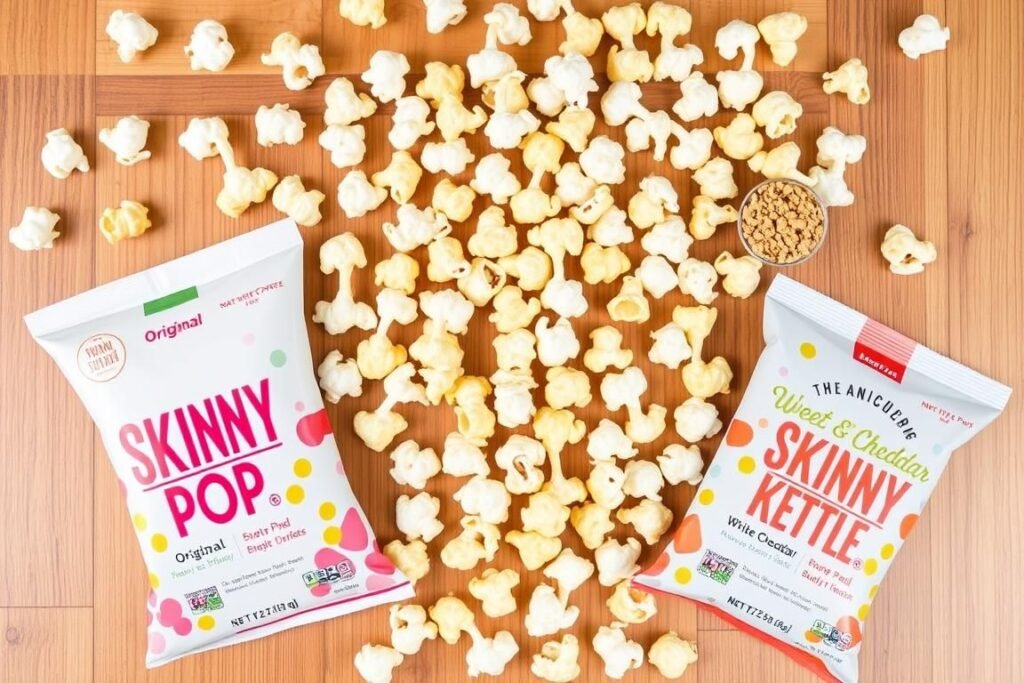
Health Implications of Skinny Pop
Understanding the nutritional profile of Skinny Pop helps determine its place in a balanced diet. Let’s examine both the benefits and potential concerns.
Benefits
- Low Calorie: At 130 calories per serving, Skinny Pop provides a satisfying snack with fewer calories than many alternatives.
- No Added Sugar: The original flavor contains 0g of added sugars, making it suitable for those monitoring sugar intake.
- Whole Grain: Made with whole grain corn, providing dietary fiber and other nutrients.
- Gluten-Free: Safe for those with celiac disease or gluten sensitivity.
- No Artificial Ingredients: Free from artificial flavors, colors, and preservatives.
Considerations
- Sodium Content: Contains 260mg of sodium per serving (11% DV), which may be a concern for those monitoring salt intake.
- Fat Content: While not high (6g per serving), those on very low-fat diets should be mindful of portion sizes.
- Palm Oil: Contains palm oil, which some consumers avoid for environmental or health reasons.
- Low Protein: With only 2g of protein per serving, it’s not a significant protein source.
Citation: WHO: Palm Oil and Cardiovascular Health | Academy of Nutrition & Dietetics: The Scoop on Added Sugars | American Heart Association: Sodium Limits | USDA: Dietary Fiber Recommendations
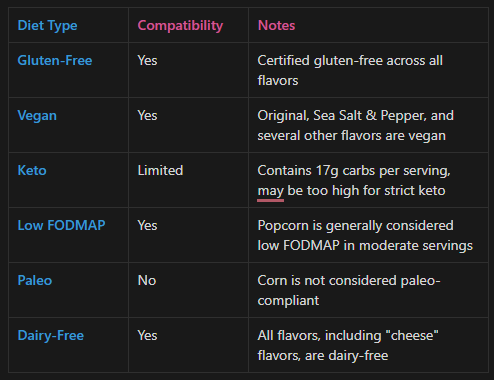
Dietary flexibility for most plans except paleo/keto
Citation: Academy of Nutrition & Dietetics: Paleo/Keto Guidelines
Comparing Skinny Pop to Other Popcorn Brands
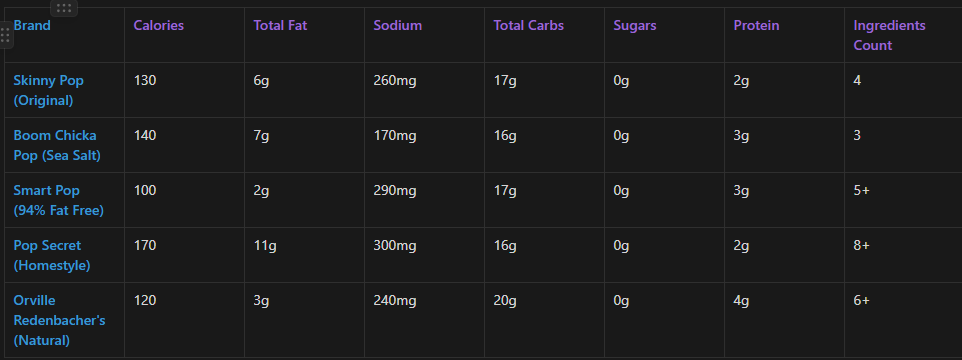
How does Skinny Pop stack up against other popular popcorn brands? Let’s compare the nutritional profiles per serving (about 3-4 cups popped).
Key Comparison Insights
Calories & Fat
Skinny Pop falls in the middle range for calories and fat content. While not the lowest in either category, it maintains a reasonable balance between taste and nutrition.
Sodium Content
With 260mg of sodium per serving, Skinny Pop contains less salt than some competitors like Pop Secret and Smart Pop, but more than Boom Chicka Pop.
Ingredient Simplicity
Skinny Pop’s four-ingredient list is simpler than many microwave options but comparable to other ready-to-eat popcorn brands like Boom Chicka Pop.
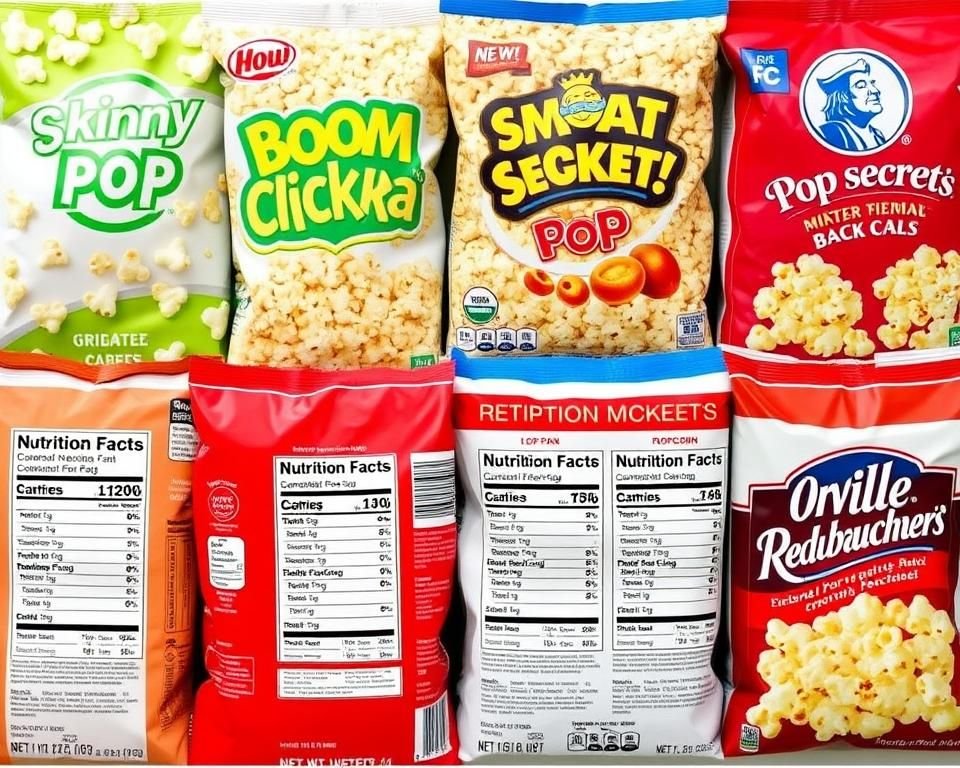
Skinny Pop Compare with Other Pop Corn