Whether you’re tracking your daily intake, managing a specific diet, or simply curious about what’s in your favourite snack, understanding the Doritos nutrition label is essential for making informed food choices. This comprehensive guide breaks down exactly what’s in those crunchy, flavour-packed triangles and contextualises the numbers with expert insights and dietary recommendations.
Complete Doritos Nutrition Facts Breakdown
Doritos come in various flavors, with Nacho Cheese being the most popular. Below is a detailed breakdown of the standard Doritos Nacho Cheese nutrition label for a single serving (about 12 chips or 28g).

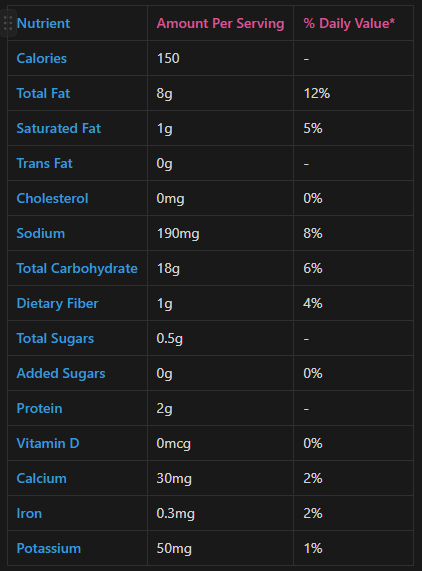
The % Daily Value tells you how much a nutrient in a serving of food contributes to a daily diet. A daily intake of 2,000 calories is used for general nutrition advice.
Key Nutritional Highlights
A single serving of Doritos Nacho Cheese (12 chips) contains:
- 150 calories
- 8g of total fat (12% DV)
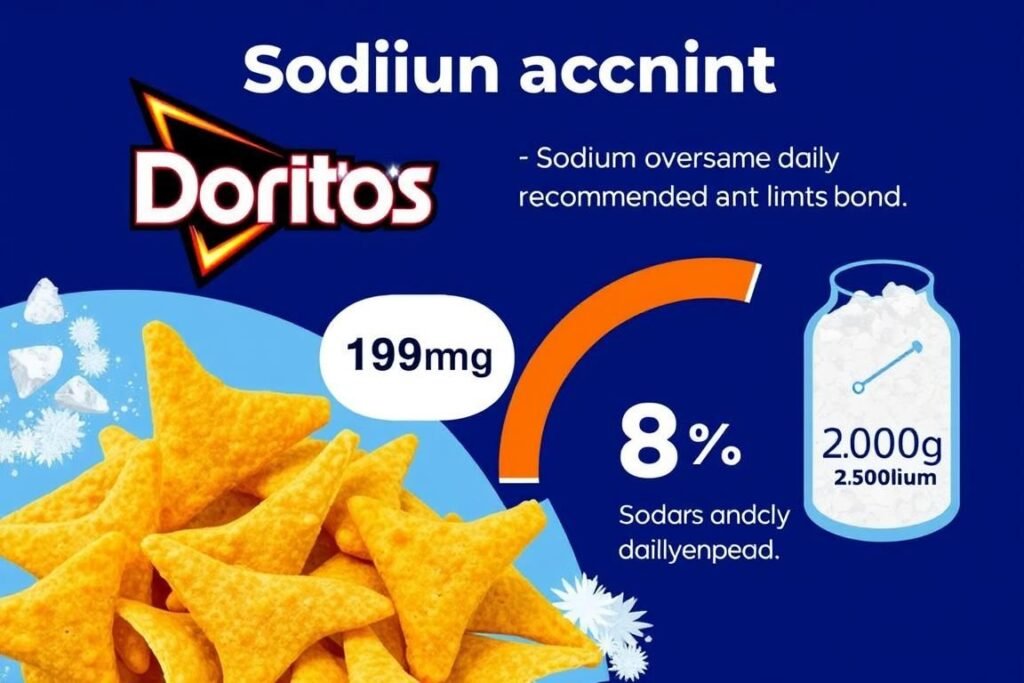
- 190mg of sodium (8% DV)
- 18g of carbohydrates (6% DV)
- 1g of fiber (4% DV)
- 2g of protein

Understanding Doritos Nutrition in Context
Calories and Serving Size
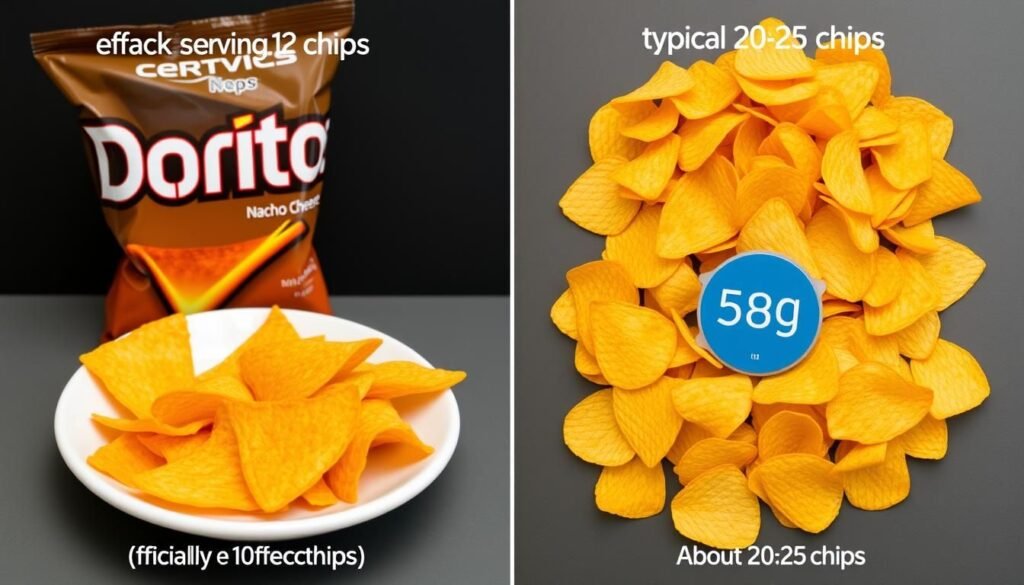
At 150 calories per serving, Doritos are a moderately caloric snack. However, it’s important to note that the serving size is just 12 chips (28g), which many people exceed in a single sitting. A small bag (1¾ oz or about 50g) contains approximately 260 calories.
Fat Content Analysis
With 8g of total fat per serving (12% of daily value), Doritos contain a moderate amount of fat. According to research published in the American Journal of Clinical Nutrition, the type of fat matters more than the total amount. Doritos contain 1g of saturated fat (5% DV) and no trans fats, which is relatively positive compared to some other snack foods.
Sodium Considerations
Each serving contains 190mg of sodium (8% DV). The U.S. Dietary Guidelines recommend limiting sodium intake to less than 2,300mg per day. For those on sodium-restricted diets, even a single serving of Doritos contributes significantly to daily limits.
Research from PubMed Central indicates that high sodium intake is associated with increased blood pressure and cardiovascular risk, making it important to monitor consumption of salty snacks like Doritos.
Carbohydrates and Fiber
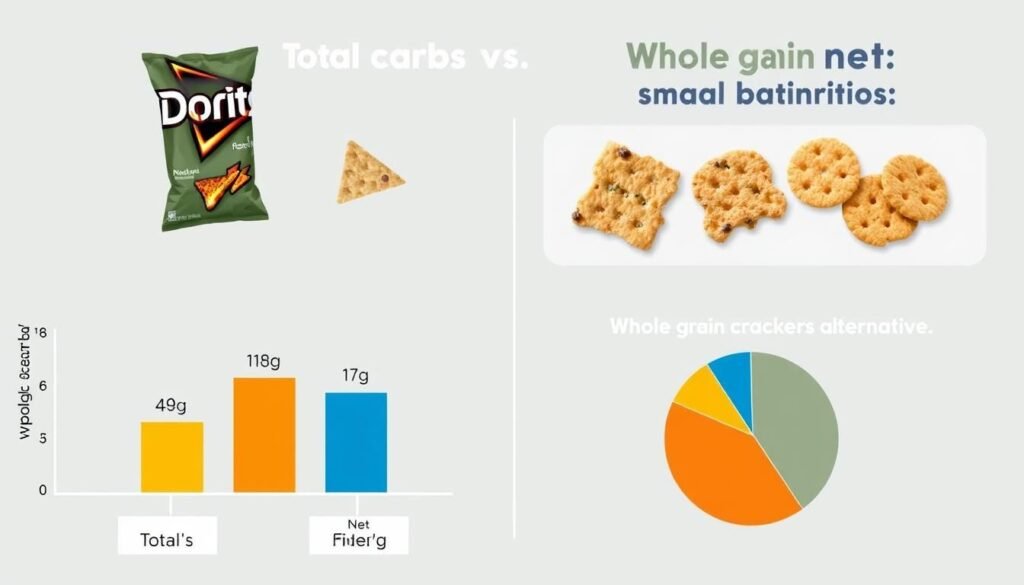
Doritos contain 18g of total carbohydrates (6% DV) per serving, with only 1g of fiber (4% DV). The net carbs (total carbs minus fiber) are 17g per serving. For those monitoring carbohydrate intake, such as people following low-carb diets or managing diabetes, this is an important consideration.
Resource: Harvard Health: High-GI Foods
Micronutrients Profile
Doritos provide minimal micronutrients, with small amounts of calcium (2% DV), iron (2% DV), and potassium (1% DV). According to the Academy of Nutrition & Dietetics, processed snacks generally contribute calories without significant nutritional benefits compared to whole foods.
Health Implications and Expert Perspectives
Processed Snacks in a Balanced Diet
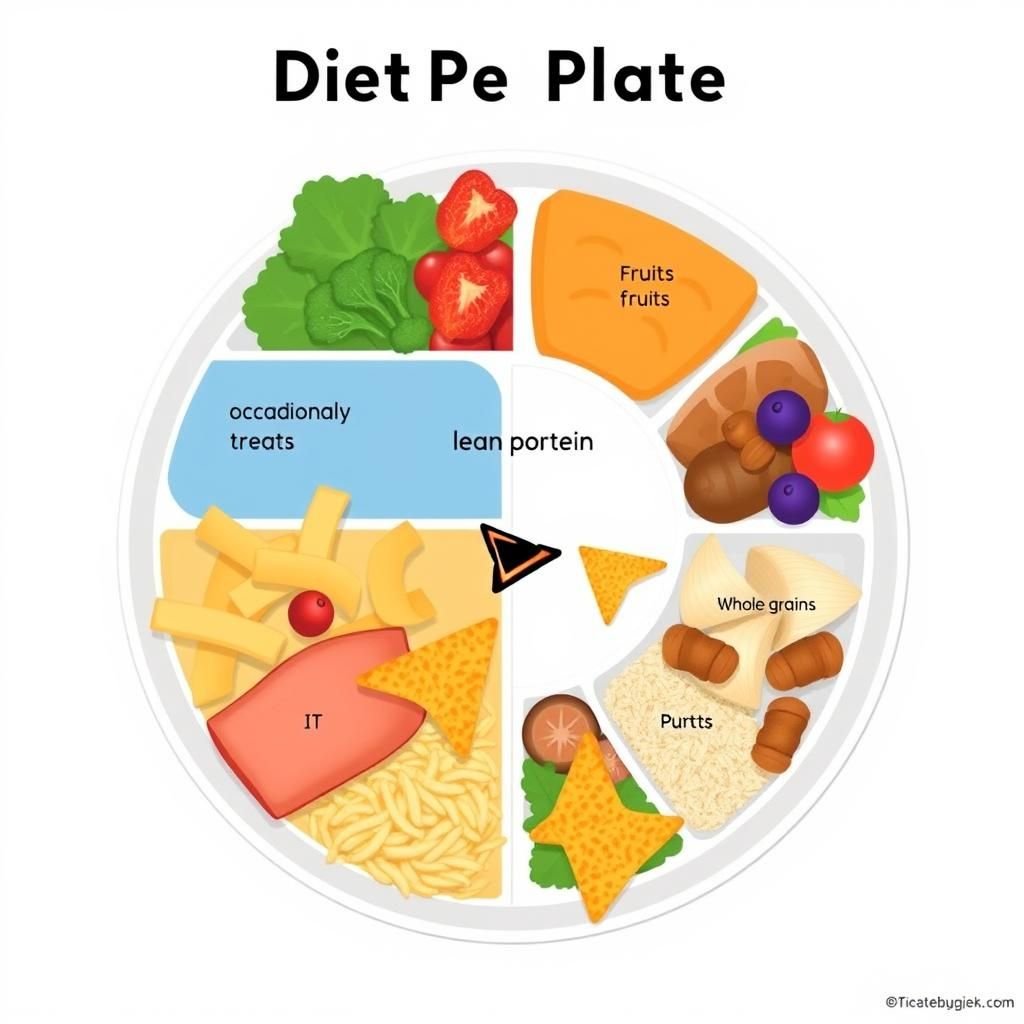
The BMJ Nutrition has published research indicating that ultra-processed foods like flavored chips are associated with higher calorie intake and weight gain when consumed regularly. However, occasional consumption as part of an otherwise balanced diet is generally considered acceptable by nutrition experts.
Dr. Marion Nestle, Professor of Nutrition at New York University, notes: “The occasional indulgence in foods like Doritos isn’t problematic for most people. The concern arises when these foods become dietary staples rather than occasional treats.”
Positive Aspects
- No trans fats
- Low in sugar (0.5g per serving)
- No added sugars
- Provides small amounts of calcium and iron
- Can be enjoyed in moderation as part of a varied diet
Considerations
- Moderate fat content (8g per serving)
- Significant sodium content (190mg per serving)
- Low fiber content (1g per serving)
- Contains artificial flavors and colors
- Easy to exceed the recommended serving size
Resource: WHO: Processed Foods & NCDs
The soybean and vegetable oils in Doritos may promote inflammation. Balance your diet with these [top anti-inflammatory foods] to counteract occasional indulgences
Caloric Expenditure Context
To put the 150 calories in a single serving of Doritos into perspective, here’s how long it would take to burn those calories through various activities:
Walking
27.5 minutes of walking at a moderate pace (17 min/mile)

Cycling
10.3 minutes of cycling at 18 mph

Running
12.5 minutes of running at a 10 min/mile pace
Balance Your Diet with Expert Guidance
Learn how to incorporate occasional treats like Doritos into a balanced diet with personalized advice from nutrition professionals.
Practical Guidance for Consumers
How to Track Doritos in Your Food Diary
Accurately tracking Doritos in your food diary is essential for maintaining dietary awareness. Most nutrition apps and food diaries have Doritos in their database. Be sure to:
- Measure your portion size (count the chips or weigh them)
- Select the correct flavor variant (nutritional values vary by flavor)
- Record the correct serving size (standard is 12 chips/28g)
- Consider using a food scale for the most accurate tracking
Interpreting “Percent Daily Values”
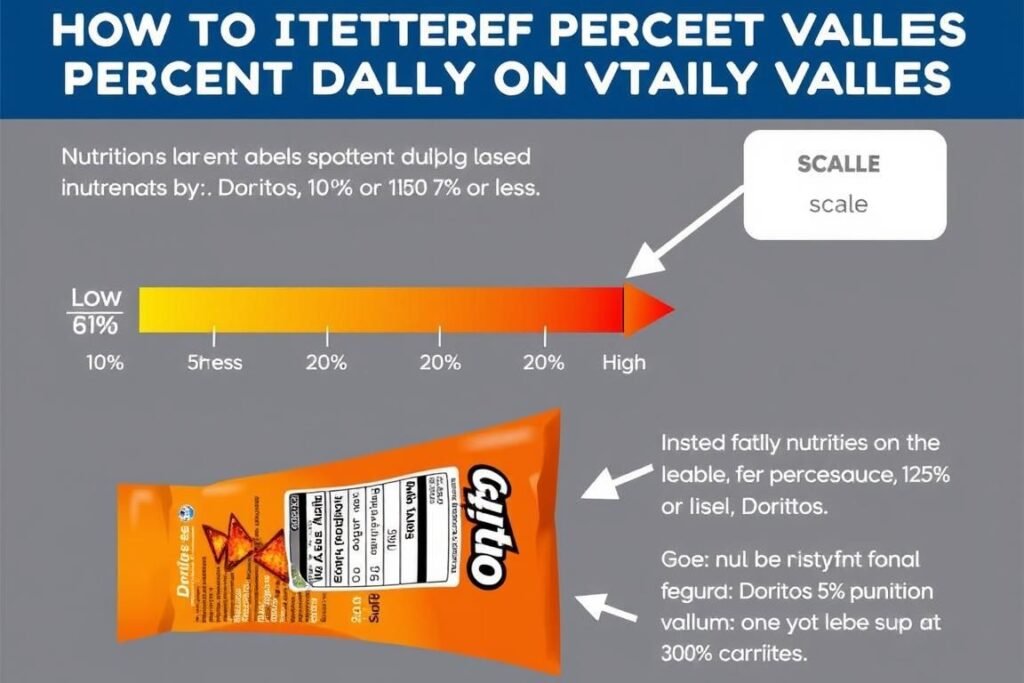
The “% Daily Value” on nutrition labels indicates what percentage of your recommended daily intake of a nutrient is provided by one serving. These values are based on a 2,000-calorie diet, which may not reflect your individual needs.
For example, one serving of Doritos provides:
- 12% of your daily fat allowance
- 8% of your daily sodium allowance
- 6% of your daily carbohydrate allowance
According to the FDA’s guidelines on nutrition labels, a general rule of thumb is:
- 5% DV or less is considered low
- 20% DV or more is considered high
Healthier Alternatives and Comparisons
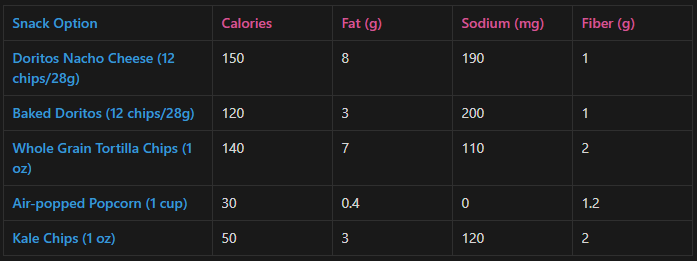
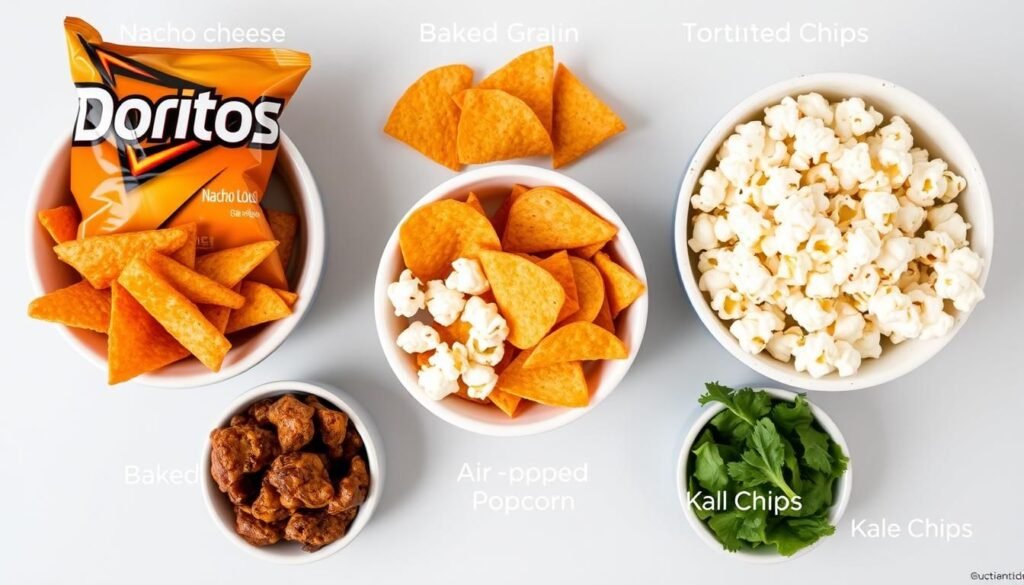
If you enjoy the crunch and flavor of Doritos but want healthier options, consider these alternatives: