In today’s fast-paced world, stress and mental health challenges are increasingly common. What many overlook is the profound connection between diet and mental wellness. This guide unpacks the science behind how nutrition affects mental health, offering actionable steps to enhance your emotional well-being through food choices.
Introduction: The Mind-Body Connection
The phrase “you are what you eat” is particularly relevant regarding mental health. Emerging research highlights the critical link between mental health and eating habits, showing that diet affects not only the body but also the mind.
Our gut microbiome, genetics, and even circadian rhythms are pivotal in how food impacts our mental state. About 90% of serotonin, the “happiness hormone,” is produced in the gut, establishing a strong gut-brain connection.
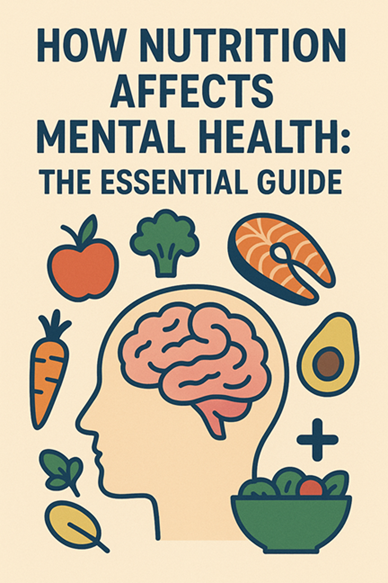
The Impact of Diet on Mental Health
Diet significantly affects the brain’s structure and function. Highly processed foods, excess sugars, and unhealthy fats can impair brain function and trigger mood disorders. On the other hand, nutrient-dense foods support brain health and emotional well-being.
- Diets deficient in zinc and magnesium have been associated with higher anxiety levels.
- Considering one’s gut microbiome and genetic makeup, personalized dietary approaches are becoming vital in addressing mental health concerns.
Personalized Nutrition and Mental Health
Not all diets affect everyone equally. Precision nutrition acknowledges that individual differences — like genes, microbiome composition, and lifestyle — impact dietary responses.
Key Personalization Factors:
- Gut Microbiome: Produces neurotransmitters like serotonin.
- Circadian Rhythms: Meal timing can regulate stress hormones like cortisol.
- Genetic Variations: For example, the MTHFR gene affects how the body processes folate, impacting mood regulation.
- Socioeconomic Status: Access to brain-healthy foods like omega-3-rich fish can vary.
While promising, it’s important to note that personalized nutrition for mental health is still developing, and robust human studies are limited.
Action Tip: Start a food-mood journal to track how different foods affect your emotional state.
Your gut microbiome produces 90% of serotonin. Feed it these [top high-fiber foods for gut health] to support mood regulation.
Resource: JAMA Network: Probiotic
Key Nutrients for Brain Health
To support mental clarity and resilience, focus on these critical nutrients:
- Omega-3 Fatty Acids: Vital for cognitive function and mood stability.
- B Vitamins: Crucial for neurotransmitter synthesis.
- Magnesium and Zinc: Deficiencies are linked to anxiety and depression.
- Iron: Supports oxygen transport and cognitive performance.
- Amino Acids: Building blocks for neurotransmitters like serotonin and dopamine.
- Action Tip: To fuel neurotransmitter production, incorporate protein-rich foods like eggs, lentils, and poultry into your breakfast.
Best Foods That Boost Mental Health
Certain foods are proven allies for your mental well-being:
- Fatty Fish: Salmon, sardines — rich in omega-3s.
- Leafy Greens: Spinach and kale for folate and magnesium.
- Berries: High in antioxidants, reducing brain inflammation.
- Nuts and Seeds: Healthy fats and amino acids.
- Whole Grains: Stabilize blood sugar and mood.
- Fermented Foods: Yogurt, kefir — support gut health, enhancing the gut-brain axis.
These brain foods for mental wellness can significantly elevate your mood and cognitive function.
Nutrition and Cognitive Function
Cognitive function — including memory, learning, and decision-making — thrives on good nutrition.
- Antioxidants protect the brain from oxidative stress.
- Omega-3s enhance memory and learning.
Emerging research suggests that poor prenatal and early-life nutrition may have long-term effects on brain development and stress response regulation.
Fatty fish and walnuts combat inflammation linked to depression. Compare [plant-based diets for heart health] that also benefit cognition.
The Role of Nutritional Psychiatry
Nutritional psychiatry is an evolving field that explores the use of food to prevent and treat mental illnesses. It emphasizes dietary patterns like the Mediterranean diet, which is rich in fruits, vegetables, and healthy fats and has been shown to reduce depression and anxiety.
As scientists advocate, future studies should focus on physical outcomes and measuring emotional well-being.
Tips for Healthy Eating for Mental Wellness
- Prioritize Whole Foods: Focus on natural, unprocessed ingredients.
- Stay Hydrated: Dehydration can worsen mood and cognitive function.
- Balance Macronutrients: Ensure a good mix of carbs, protein, and fat.
- Support Gut Health: Include probiotics like yogurt and prebiotics like oats.
- Affordable Brain Foods: Lentils, oats, bananas, and chia seeds — mood boosters that don’t break the bank.
Consistency is key — healthy eating for a better mood is not a one-time fix but a sustainable lifestyle.
How does nutrition impact depression?
Nutrient deficiencies, particularly in omega-3s, zinc, and magnesium, are linked to depression. A balanced diet rich in these nutrients supports mood regulation.
Can certain foods reduce anxiety?
Yes. Foods like leafy greens (magnesium) and fatty fish (omega-3s) reduce anxiety symptoms.
What is the connection between food and mental well-being?
Food influences neurotransmitter production, inflammation, and gut health — all crucial for mental well-being.
Are there specific diets recommended for mental health?
Mediterranean and anti-inflammatory diets rich in fruits, vegetables, and healthy fats are associated with better mental health outcomes.
What is nutritional psychiatry?
It’s a field that examines how dietary patterns can prevent and treat mental disorders, emphasizing the role of personalized nutrition.
Conclusion: Nourish Your Mind with Good Nutrition
Mental wellness starts on your plate. Understanding the role of nutrition in mental health empowers you to make informed dietary choices that can enhance mood, improve cognition, and build emotional resilience. While the science of personalized nutrition for mental health is still evolving, starting with balanced, nutrient-dense foods is a proven strategy for better mental well-being.
Ready to unlock the full potential of your mind through nutrition? Start incorporating brain foods into your daily meals and track the difference with a simple food-mood journal. For more insights into nutritional psychiatry and science-backed wellness tips, subscribe to our newsletter today!
Citations:
- Nature, Gut Microbiota in Anxiety & Depression (2023) – https://doi.org/10.1038/s41380-023-01960-0
- Zeevi et al., Cell (2015), Predicting Glucose Spikes Impact Mood – https://doi.org/10.1016/j.cell.2015.11.001
- WHO, Guidelines: Magnesium/Zinc for Depression (2022) – https://www.who.int/publications/i/item/9789240041208
- Trivedi, A. Early versus Late Administration of Amino Acids in Preterm Infants – https://www.cochranelibrary.com/cdsr/doi/10.1002/14651858.CD008771.pub3/full
- Nutrients (2022), Protein & Mental Health – https://doi.org/10.3390/nu14224838
- Lancet (2021), Early Nutrition & Lifelong Mental Health – https://doi.org/10.1016/S0140-6736(21)01568-4