Why Low-Calorie Meal Prep Is a Smart Strategy
Planning and preparing low-calorie meals in advance—also known as low-calorie meal prep—is one of the most effective strategies for sustainable weight loss.
By taking control of your meals, you’re better able to monitor calorie intake and ensure proper nutrition.
Moreover, this approach reduces your reliance on high-calorie convenience foods and supports long-term health goals.
In this guide, you’ll learn everything you need to know about low-calorie meal prep—from organizing a week’s worth of meals to creating simple, satisfying recipes that keep you full and energized.
As a result, you can develop healthier eating habits that last.
Benefits of Low-Calorie Meal Preparation
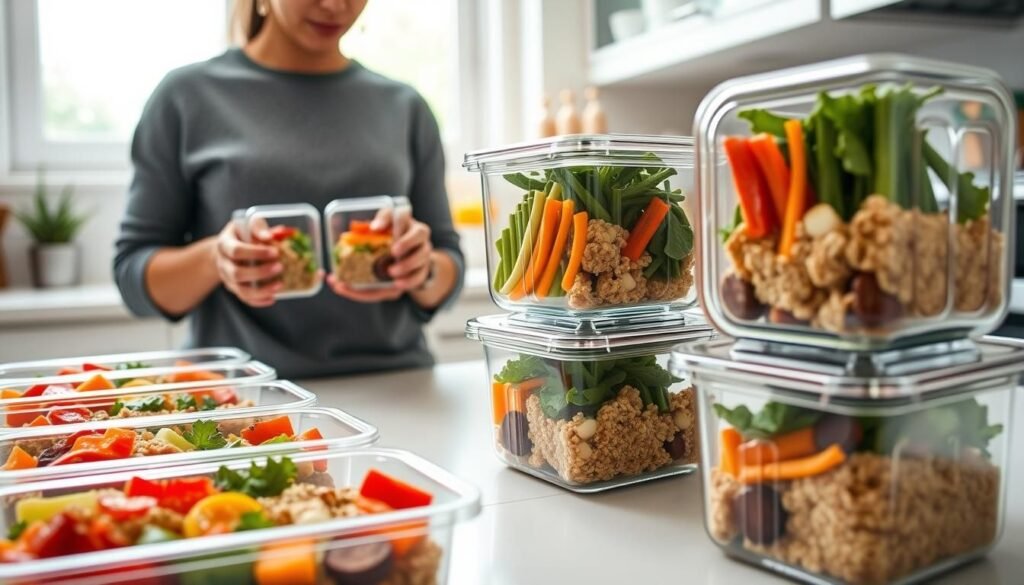
Taking time to prepare low-calorie meals in advance offers numerous advantages beyond just weight management:
Weight Management Benefits
- Controlled portion sizes prevent overeating
- Precise calorie tracking for consistent results
- Reduced temptation for high-calorie takeout
- Steady progress toward weight loss goals
Lifestyle Benefits
- Significant time savings during busy weekdays
- Reduced food waste and grocery expenses
- Decreased decision fatigue around meals
- More nutritionally balanced eating patterns
When you prepare meals with a focus on low calories per serving, you create a sustainable approach to eating that supports long-term weight management without feeling deprived.
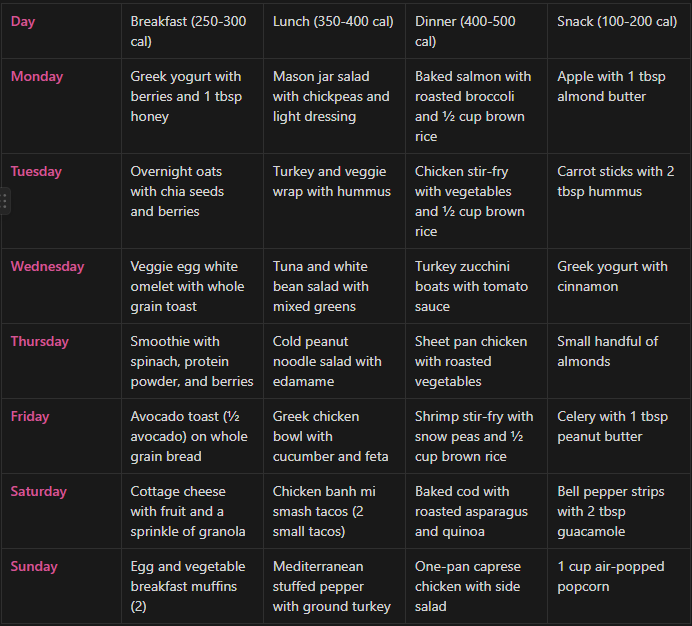
7-Day Low-Calorie Meal Plan (1,200-1,500 calories)
This balanced meal plan provides approximately 1,200-1,500 calories per day, with options to adjust portions based on your specific needs. Each day includes breakfast, lunch, dinner, and snacks to keep you satisfied throughout the day.
Get Your Complete 7-Day Meal Plan
Download our detailed 7-day meal plan with exact recipes, nutritional information, and shopping list to make your low-calorie meal prep journey easier.
Volume Eating Strategies for Low-Calorie Meals
Volume eating is a powerful approach for creating low-calorie meals that still leave you feeling satisfied. The concept is simple: fill your plate with foods that have high volume but low calorie density.
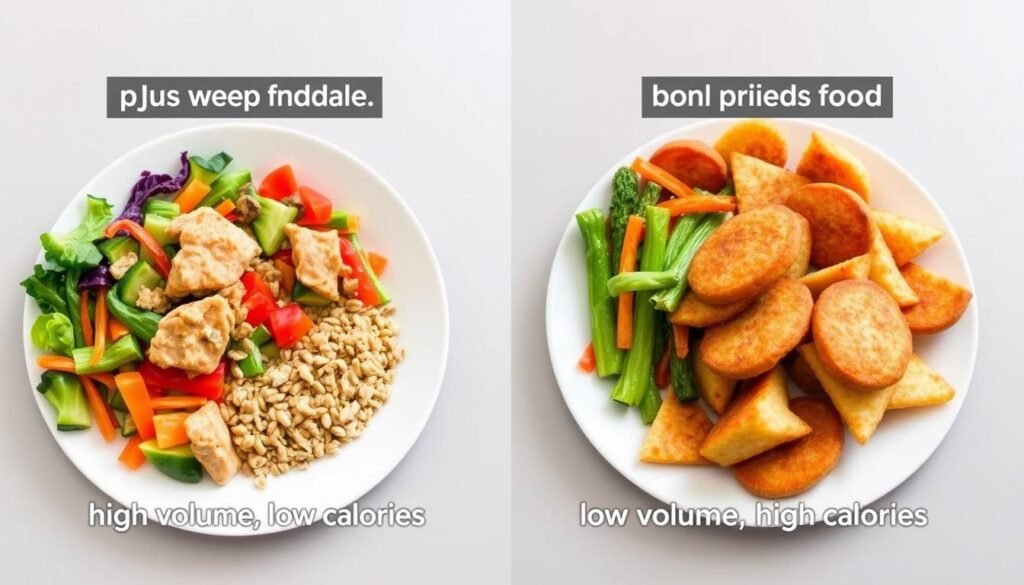
High-Volume, Low-Calorie Foods
- Leafy greens (spinach, kale, lettuce)
- Non-starchy vegetables (broccoli, cauliflower, zucchini)
- Berries and melons
- Broth-based soups
- Air-popped popcorn
- Egg whites
Resource: Obesity Reviews: High Volume Foods
Smart Volume Eating Techniques
- Start meals with a vegetable soup or salad
- Use riced cauliflower to bulk up grain dishes
- Add extra vegetables to pasta dishes and stir-fries
- Choose whole fruits over juices
- Incorporate high-fiber foods that increase satiety
By applying these volume eating strategies to your low-calorie meal preparation, you can create filling meals that support your weight loss goals without leaving you hungry.
5 Low-Calorie Lunch Ideas Under 400 Calories
These lunch options are perfect for meal prep – they store well, travel easily, and provide balanced nutrition to power you through your afternoon.
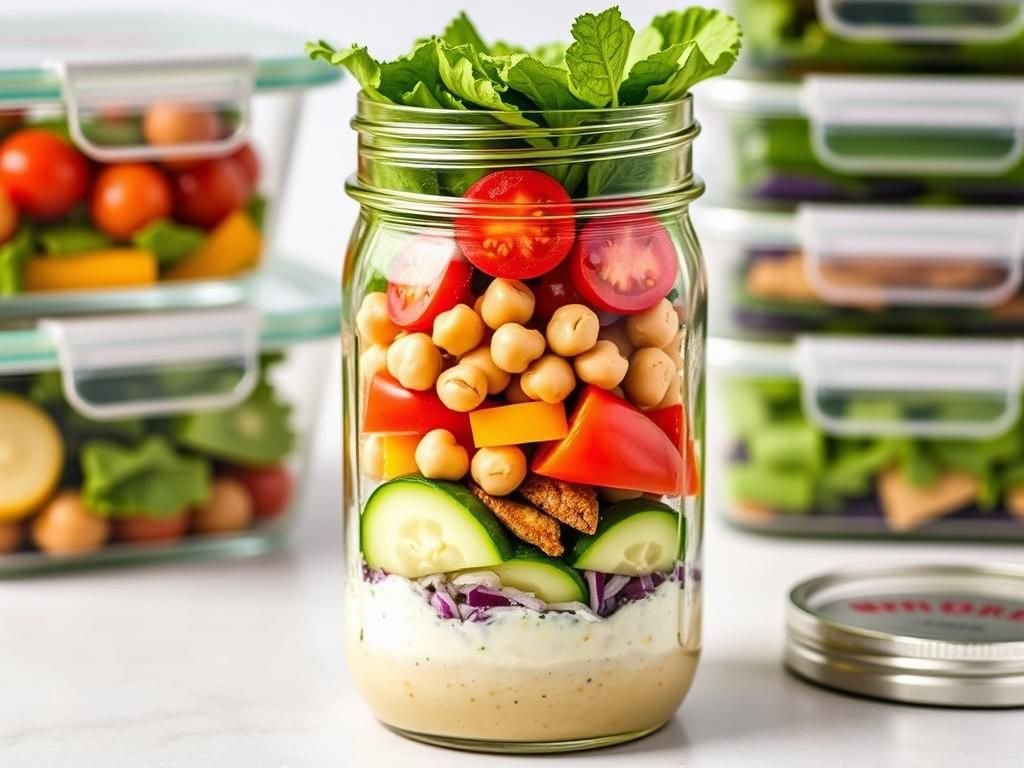
Mason Jar Salad (350 calories)
Layer ingredients in a mason jar with dressing at the bottom, proteins and grains in the middle, and greens on top. When ready to eat, simply shake to distribute the dressing.
- 2 tbsp light vinaigrette at the bottom
- ¼ cup chickpeas or ½ cup diced chicken
- ¼ cup quinoa or brown rice
- ½ cup cherry tomatoes and cucumber
- 2 cups mixed greens on top
Protein: 20g | Carbs: 30g | Fat: 15g
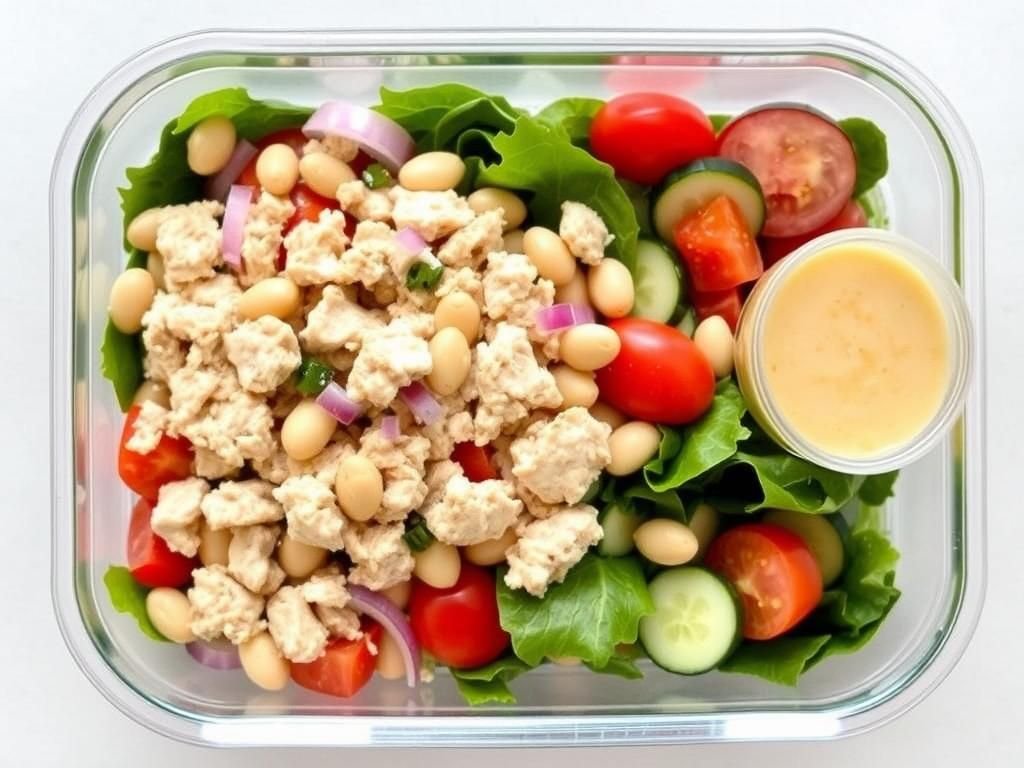
Tuna & White Bean Salad (375 calories)
This protein-packed salad combines lean tuna with fiber-rich beans for a satisfying lunch that will keep you full for hours.
- 1 can tuna in water, drained
- ½ cup white beans, rinsed
- ¼ cup diced red onion
- ½ cup cherry tomatoes, halved
- ½ cucumber, diced
- 1 tbsp olive oil + 1 tbsp lemon juice dressing
Protein: 30g | Carbs: 25g | Fat: 14g
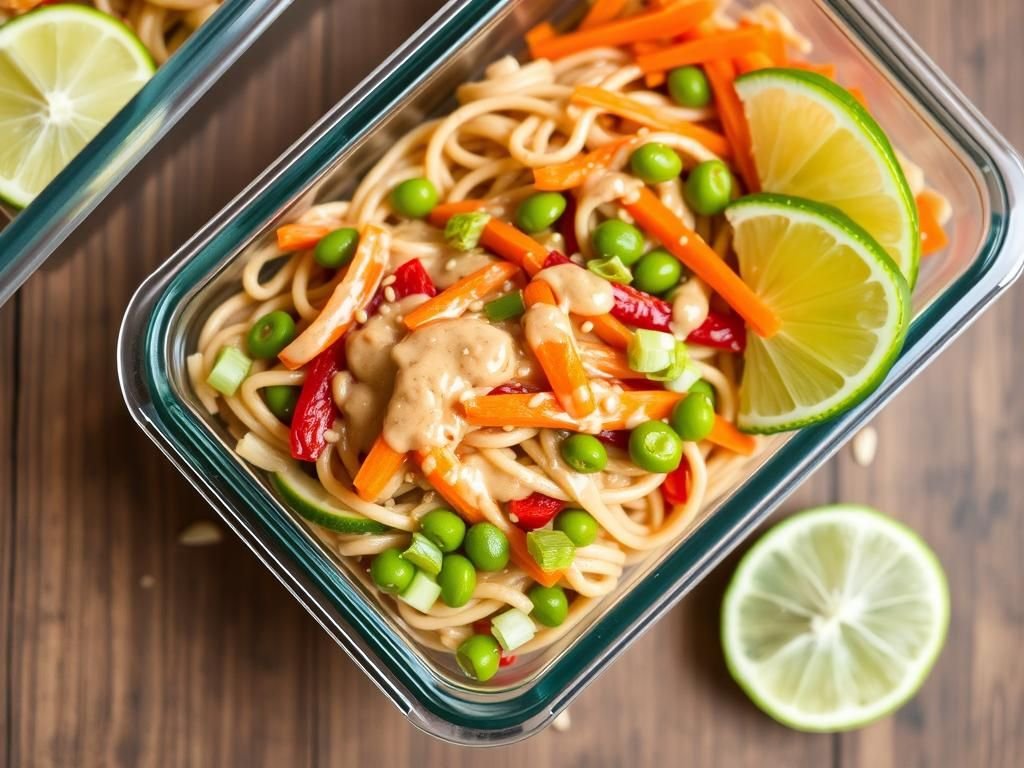
Cold Peanut Noodle Salad (390 calories)
This Asian-inspired dish offers a perfect balance of carbs, protein, and healthy fats with a flavorful peanut sauce.
- 1.5 oz whole grain noodles, cooked
- ½ cup shredded carrots
- ½ cup sliced bell peppers
- ¼ cup edamame
- 1 tbsp peanut butter + soy sauce + rice vinegar sauce
- Garnish: sliced scallions, sesame seeds
Protein: 15g | Carbs: 45g | Fat: 16g
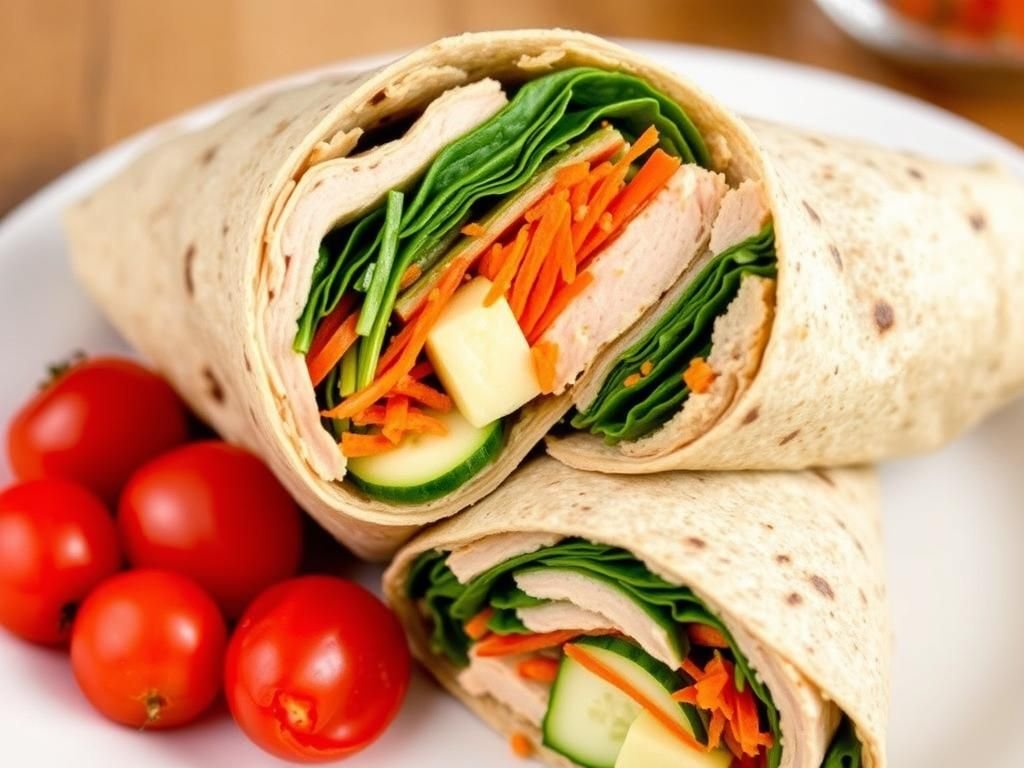
Turkey & Veggie Wrap (380 calories)
This portable wrap combines lean protein with plenty of vegetables and a flavorful hummus spread.
- 1 whole grain tortilla (8-inch)
- 3 oz sliced turkey breast
- 2 tbsp hummus, spread on tortilla
- ¼ cup grated carrots
- ½ cup spinach leaves
- ¼ cucumber, sliced thin
Protein: 25g | Carbs: 35g | Fat: 12g
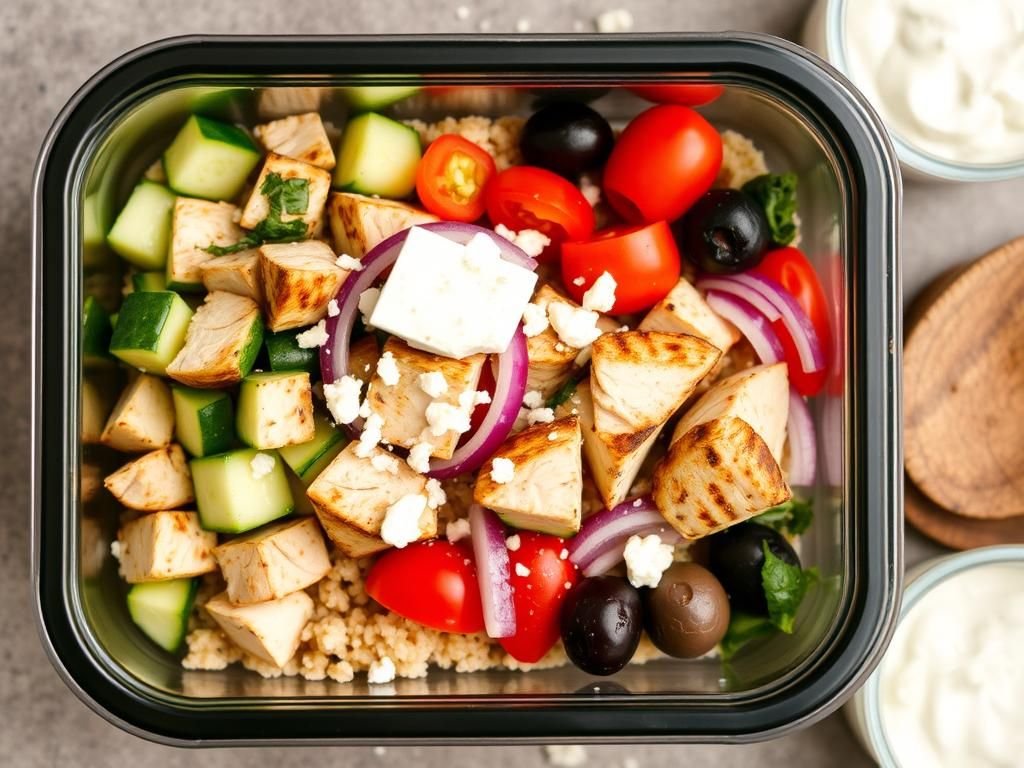
Greek Chicken Bowl (395 calories)
This Mediterranean-inspired bowl is packed with protein and fresh vegetables for a satisfying lunch.
- 3 oz grilled chicken breast, diced
- ¼ cup cooked quinoa
- ½ cup cucumber, diced
- ½ cup cherry tomatoes, halved
- 2 tbsp feta cheese
- 5 kalamata olives, sliced
- 2 tbsp tzatziki sauce
Protein: 28g | Carbs: 25g | Fat: 18g
Ready to Simplify Your Lunch Prep?
Download our complete lunch meal prep guide with 15 recipes under 400 calories, including shopping lists and prep instructions.
5 High-Protein, Low-Calorie Dinners Under 500 Calories
These dinner recipes are designed to be satisfying and protein-rich while keeping calories in check. Each recipe makes 4 servings, perfect for meal prep or family dinners.
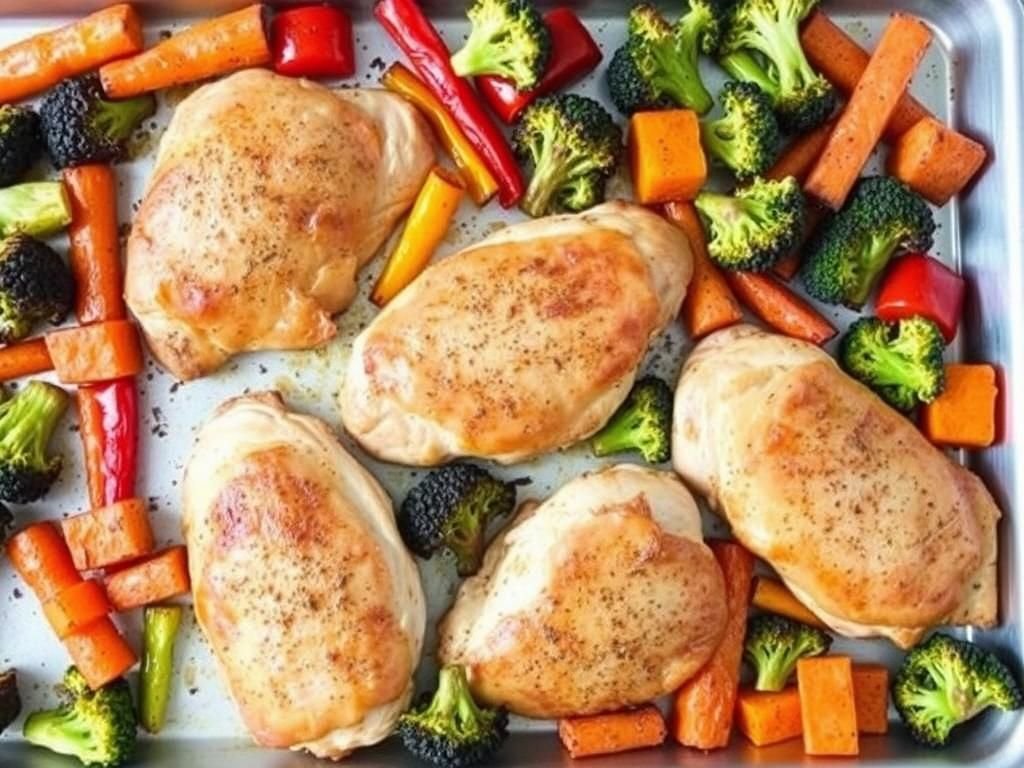
Sheet Pan Chicken & Vegetables (425 calories)
This one-pan meal combines lean protein with plenty of roasted vegetables for a simple, satisfying dinner.
- 4 oz chicken breast, seasoned with herbs
- 1 cup mixed vegetables (broccoli, bell peppers, onions)
- 1 tbsp olive oil for roasting
- ½ cup cooked quinoa
- Herbs and spices: garlic, rosemary, thyme
Prep time: 10 minutes | Cook time: 25 minutes
Protein: 35g | Carbs: 30g | Fat: 16g
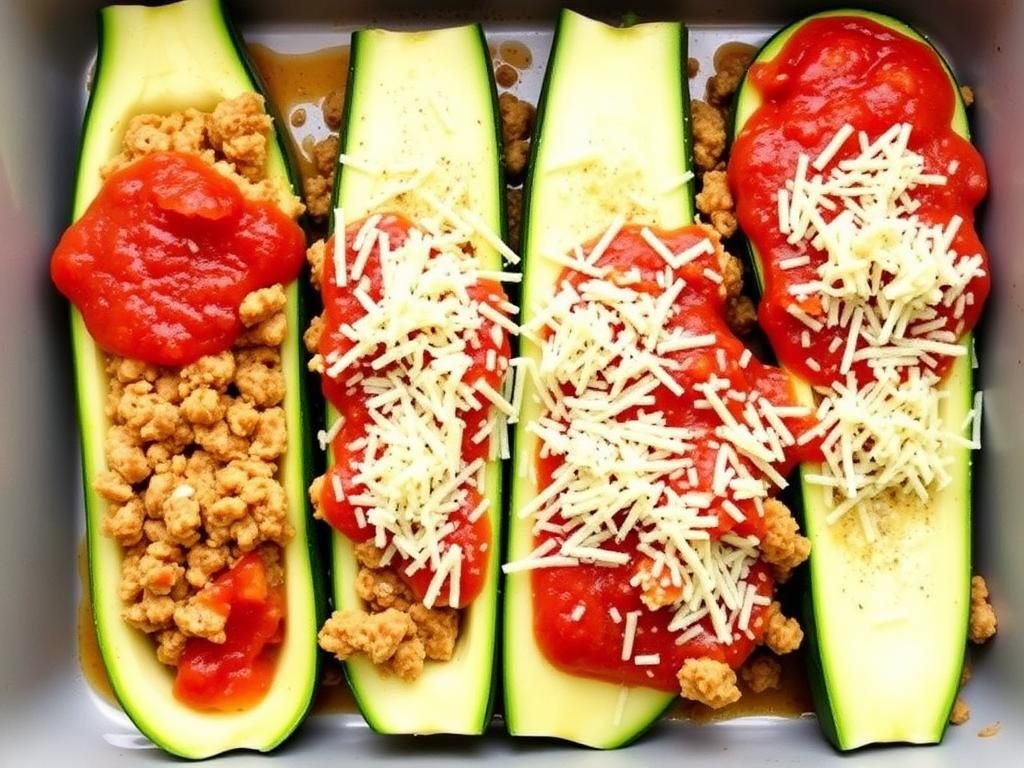
Turkey Zucchini Boats (390 calories)
These stuffed zucchini boats replace high-calorie pasta with vegetables while delivering plenty of protein.
- 2 medium zucchini, halved lengthwise
- 4 oz lean ground turkey
- ¼ cup diced onion
- 2 cloves garlic, minced
- ½ cup marinara sauce
- 2 tbsp part-skim mozzarella
- Italian herbs and spices
Prep time: 15 minutes | Cook time: 25 minutes
Protein: 30g | Carbs: 15g | Fat: 12g
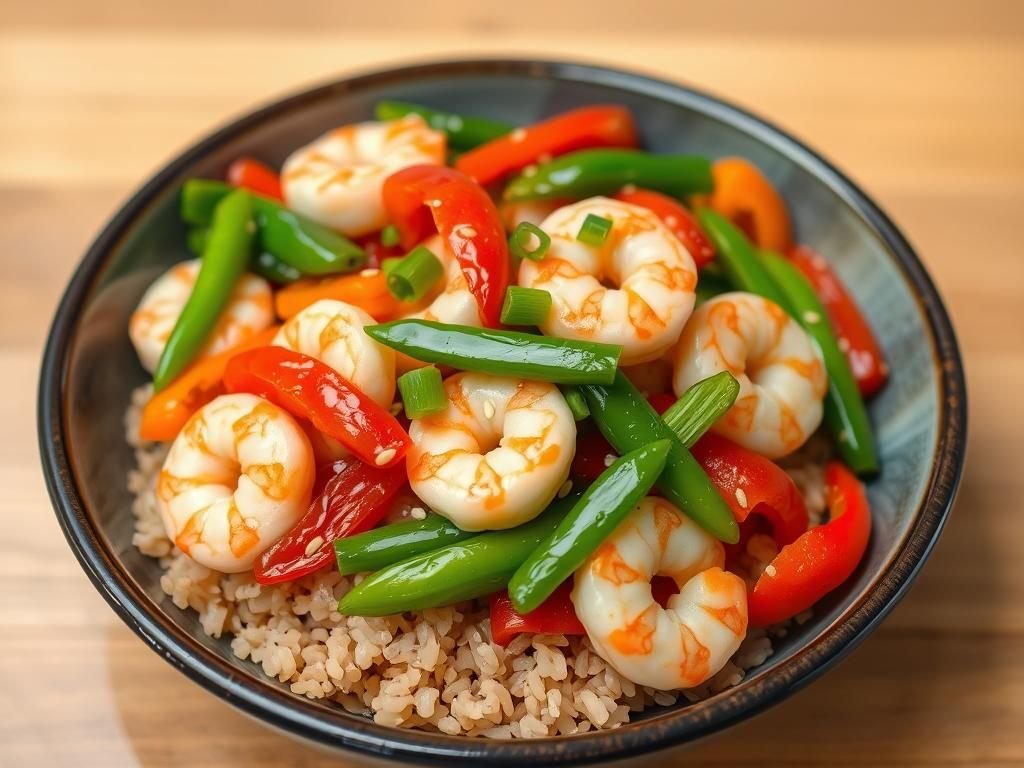
Shrimp Stir-Fry (410 calories)
This quick-cooking stir-fry is packed with lean protein and vegetables in a flavorful sauce.
- 4 oz shrimp, peeled and deveined
- 1.5 cups mixed vegetables (snow peas, bell peppers, carrots)
- 2 cloves garlic, minced
- 1 tsp ginger, grated
- 1 tbsp low-sodium soy sauce
- 1 tsp sesame oil
- ½ cup cooked brown rice
Prep time: 15 minutes | Cook time: 10 minutes
Protein: 28g | Carbs: 40g | Fat: 10g
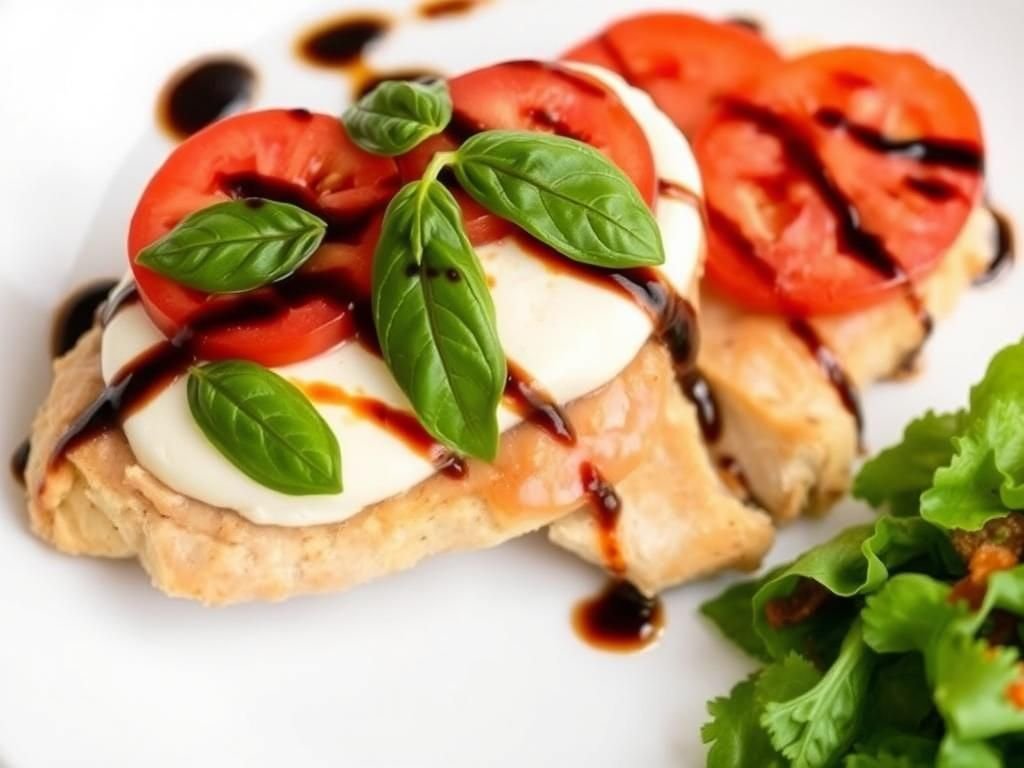
One-Pan Caprese Chicken (450 calories)
This Italian-inspired dish combines lean protein with the classic flavors of caprese salad.
- 4 oz chicken breast
- 1 oz fresh mozzarella
- 1 medium tomato, sliced
- Fresh basil leaves
- 1 tbsp balsamic glaze
- 1 cup mixed greens with 1 tsp olive oil and lemon juice
Prep time: 5 minutes | Cook time: 20 minutes
Protein: 38g | Carbs: 15g | Fat: 25g
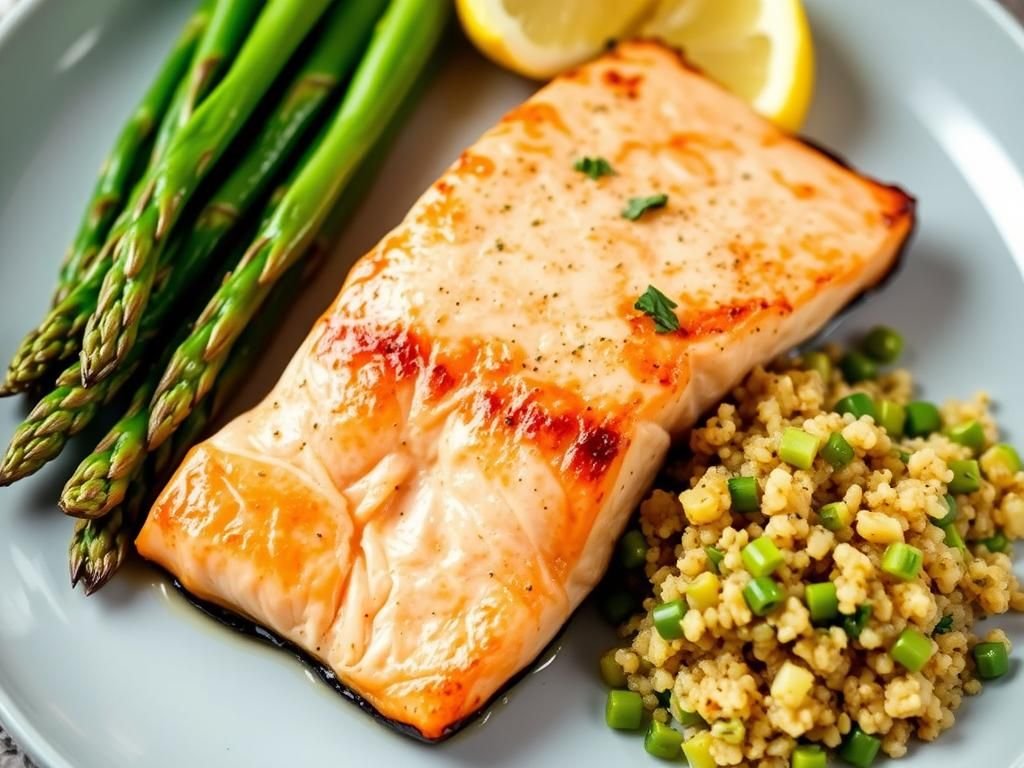
Baked Salmon with Asparagus (480 calories)
This omega-3 rich meal combines heart-healthy salmon with fiber-rich vegetables and quinoa.
- 4 oz salmon fillet
- 1 cup asparagus spears
- ½ cup cooked quinoa
- 1 tbsp olive oil
- 1 lemon, sliced
- Fresh dill and parsley
- Salt and pepper to taste
Prep time: 5 minutes | Cook time: 15 minutes
Protein: 32g | Carbs: 25g | Fat: 24g
Make Dinner Prep Effortless
Download our complete dinner meal prep guide with 15 high-protein, low-calorie recipes, including shopping lists and prep instructions.
Budget-Friendly Low-Calorie Meal Prep Tips
Eating healthy on a budget is possible with these smart shopping and meal preparation strategies.
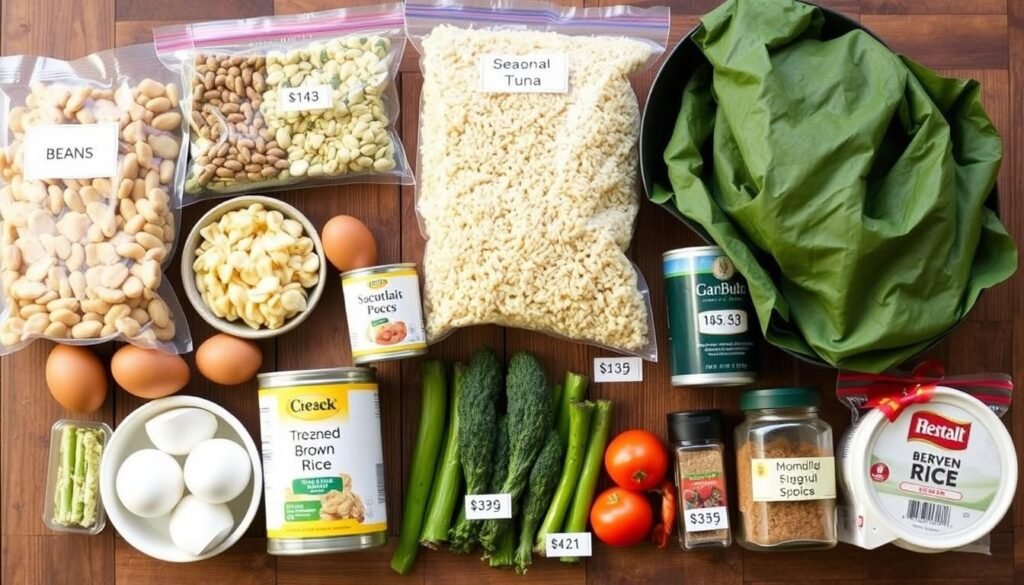
Affordable Protein Sources
- Eggs ($0.20-0.30 per egg)
- Canned tuna ($1-2 per can)
- Dried or canned beans ($1-1.50 per can)
- Rotisserie chicken ($5-7 each)
- Tofu ($2-3 per block)
- Chicken thighs ($2-3 per pound)
Budget-Friendly Produce
- Frozen vegetables ($1-2 per bag)
- Carrots ($1-2 per bag)
- Cabbage ($1-2 per head)
- Seasonal fruits and vegetables
- Bananas ($0.50-0.60 per pound)
- Onions and potatoes ($2-3 per bag)
Money-Saving Strategies
- Buy in bulk for pantry staples
- Plan meals around weekly sales
- Use grocery store loyalty programs
- Repurpose leftovers creatively
- Grow herbs at home
- Batch cook and freeze portions
Budget-Friendly Meal Idea: Lentil and Vegetable Curry
This hearty plant-based curry costs approximately $1.50 per serving and provides 20g of protein with just 350 calories per serving.
- 1 cup dried red lentils ($1.00)
- 1 can diced tomatoes ($0.89)
- 1 onion, diced ($0.30)
- 2 carrots, diced ($0.30)
- 2 cups frozen spinach ($0.75)
- Curry powder and spices ($0.25)
- Optional: ½ cup rice per serving ($0.50)
Total cost: $4.00 for 4 servings = $1.00 per serving (plus $0.50 for optional rice)
Time-Saving Low-Calorie Meal Prep Hacks
Efficient meal preparation is key to maintaining a low-calorie eating plan. These strategies will help you maximize your prep time.
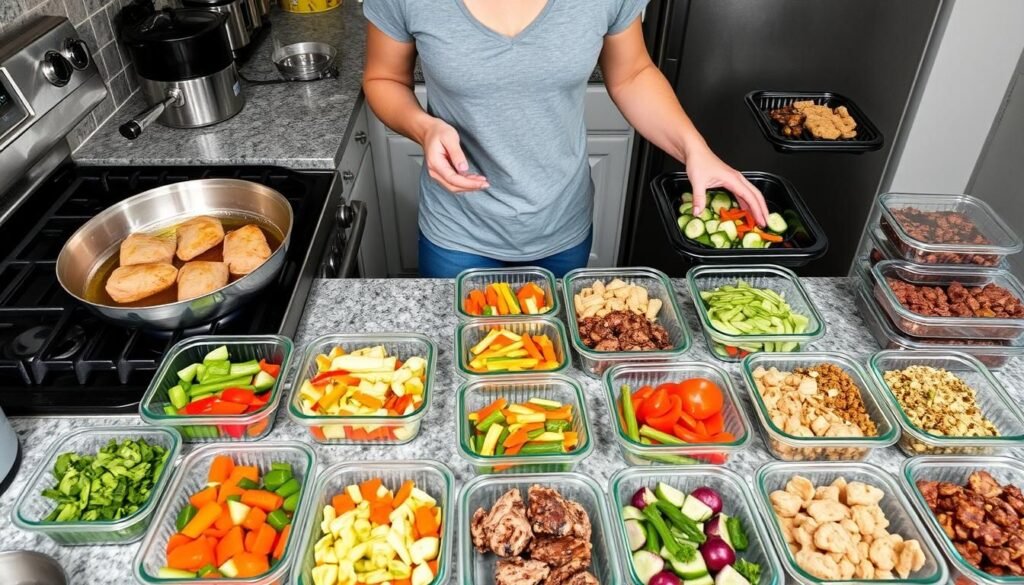
Batch Cooking Essentials
- Cook 2-3 proteins at once (chicken, ground turkey, tofu)
- Roast multiple sheet pans of vegetables simultaneously
- Prepare large batches of grains (rice, quinoa) to portion out
- Make multiple servings of sauces and dressings
- Chop vegetables for several recipes at once
Kitchen Equipment That Saves Time
- Instant Pot or pressure cooker for quick proteins and grains
- Air fryer for fast, oil-free cooking
- Food processor for quick chopping and slicing
- Quality storage containers for organized refrigeration
- Silicone baking mats for easy cleanup
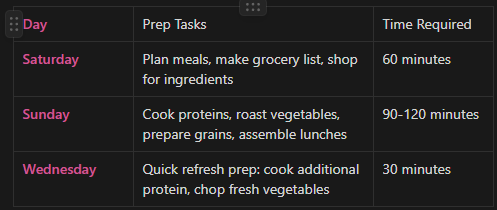
“I spend 90 minutes every Sunday prepping meals for the week. This single time investment saves me at least 5 hours during my busy weekdays and keeps me on track with my calorie goals.”
— Sarah, lost 30 pounds through meal prepping
Weekly Meal Prep Schedule
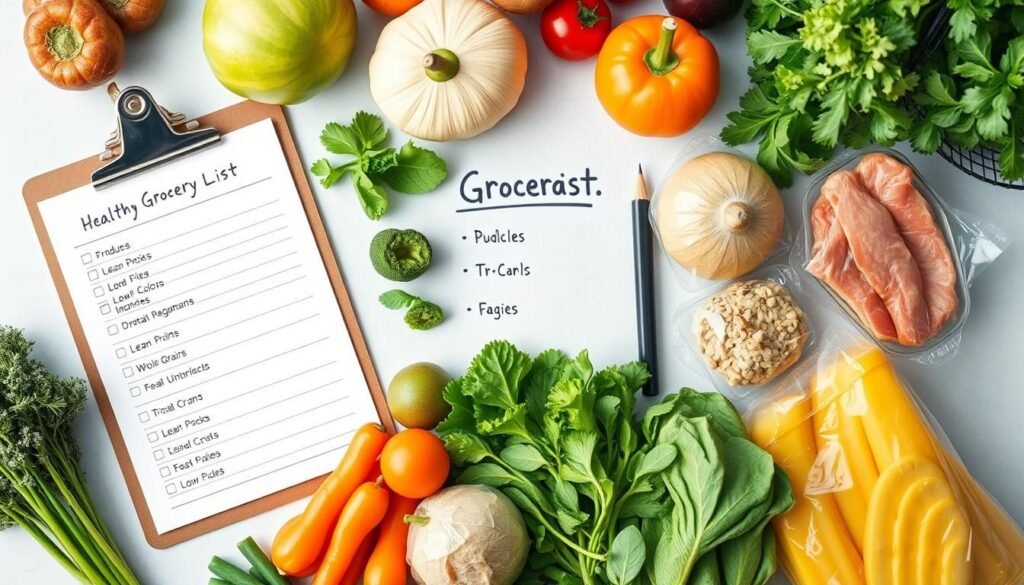
Low-Calorie Meal Prep Grocery List
This comprehensive grocery list contains everything you need for a week of low-calorie meal preparation. Adjust quantities based on your household size and specific meal plan.
Resource: AJCN: Metabolic Diseases
Proteins
- Chicken breast (1-2 lbs)
- Ground turkey (1 lb)
- Salmon fillets (1 lb)
- Shrimp (1 lb)
- Eggs (1 dozen)
- Greek yogurt (32 oz)
- Cottage cheese (16 oz)
- Tofu, firm (1 block)
- Canned tuna (2-3 cans)
Vegetables
- Mixed greens (1 large container)
- Spinach (1 bag)
- Broccoli (1-2 heads)
- Bell peppers (3-4)
- Zucchini (2-3)
- Carrots (1 bag)
- Cherry tomatoes (1 pint)
- Cucumber (1-2)
- Onions (2-3)
- Garlic (1 head)
Fruits & Grains
- Berries (1-2 containers)
- Bananas (1 bunch)
- Apples (3-4)
- Lemons (2-3)
- Brown rice (1 bag)
- Quinoa (1 bag)
- Oats (1 container)
- Whole grain bread (1 loaf)
- Whole grain tortillas (1 pack)
Pantry & Other
- Olive oil
- Balsamic vinegar
- Low-sodium soy sauce
- Dijon mustard
- Herbs and spices
- Canned beans (2-3 cans)
- Nuts (almonds, walnuts)
- Nut butter (almond, peanut)
- Hummus
How do I stay full on a low-calorie diet?
Focus on volume eating strategies by incorporating high-fiber foods like vegetables, fruits, and whole grains that take up more space in your stomach. Include protein in every meal (aim for 25-30g per meal) as it increases satiety. Stay hydrated by drinking water before and during meals, and include healthy fats in moderation as they slow digestion and increase fullness.
Can I eat carbs and still lose weight?
Absolutely! Weight loss is primarily about calorie balance, not eliminating specific macronutrients. Choose complex carbohydrates like whole grains, fruits, vegetables, and legumes that provide fiber and nutrients. These foods help you feel full longer and provide sustained energy. Portion control is key—aim for about ¼ to ⅓ of your plate to be carbohydrates, focusing on quality sources.
How long do meal prepped foods stay fresh?
Most cooked meals will stay fresh in the refrigerator for 3-4 days. For longer storage, freeze portions in airtight containers for up to 2-3 months. Some foods like dressed salads and cut avocados don’t store well—keep dressings separate and add avocado just before eating. For best results, use quality containers and cool food completely before refrigerating.
What’s the minimum calorie intake that’s safe?
Most nutrition experts recommend not going below 1,200 calories per day for women and 1,500 calories per day for men without medical supervision. Very low-calorie diets can lead to nutrient deficiencies, muscle loss, metabolic slowdown, and other health issues. Focus on creating a moderate calorie deficit (300-500 calories below maintenance) for sustainable weight loss. Always consult with a healthcare provider before making significant changes to your diet.
How can I make low-calorie meals more flavorful?
Use herbs, spices, and aromatics liberally—they add minimal calories but maximum flavor. Incorporate acidic ingredients like lemon juice, vinegar, or yogurt to brighten flavors. Try cooking techniques like roasting, grilling, or searing to develop deeper flavors without extra calories. Use small amounts of high-flavor ingredients like Parmesan cheese, olives, or sun-dried tomatoes as flavor boosters. Experiment with different ethnic flavor profiles (Mexican, Thai, Mediterranean) to keep meals interesting.
Start Your Low-Calorie Meal Preparation Journey Today
Low calories meal preparation doesn’t have to be complicated or bland. With the strategies, recipes, and meal plans outlined in this guide, you can create delicious, satisfying meals that support your weight loss goals while keeping you energized throughout the day. Remember that consistency is key—start with a simple plan, build sustainable habits, and adjust as needed to find what works best for your lifestyle and preferences.
Get Your Complete Low-Calorie Meal Prep Guide
Download our comprehensive guide with 30+ recipes, 4 weekly meal plans, shopping lists, and prep instructions to make your weight loss journey easier and more enjoyable.
Whether you’re just starting your weight loss journey or looking to refine your approach, implementing these low-calorie meal preparation strategies will help you create a sustainable path to reaching and maintaining your goals.
Low-cal doesn’t mean low-nutrient! Prioritize these [best foods for weight loss] that pack vitamins and protein.