Feeling overwhelmed about where to start with anti-inflammatory eating? You’re not alone. Inflammation is the body’s natural response to injury or infection, but when it becomes chronic, it may lead to serious health problems. The good news? With the right food choices, you can help fight inflammation naturally. This beginner-friendly guide offers a clear and practical anti-inflammatory foods list for beginners, showing you exactly what to eat and how to easily include these healing foods in your daily meals.
Understanding Inflammation: The Basics

Inflammation is your body’s natural defence against injury, infection, or toxins. Think of it as your internal emergency response team. When you cut your finger or catch a cold, acute inflammation helps your body heal by increasing blood flow and sending immune cells to the affected area.
However, chronic inflammation is different. It’s like having your emergency response team working overtime when there’s no emergency. This long-term inflammation can damage healthy cells and tissues, potentially contributing to conditions like heart disease, diabetes, arthritis, and digestive disorders.
Your diet plays a crucial role in either fueling or fighting inflammation. Certain foods contain powerful compounds that can help reduce inflammation naturally, while others can worsen it. Let’s focus on the good stuff – foods that can help you feel better from the inside out.
Anti-Inflammatory Fruits: Nature’s Sweet Healers

Berries
Berries are inflammation-fighting superstars packed with antioxidants called anthocyanins. These compounds give berries vibrant colors and help reduce inflammatory markers in your body.
Practical tip: Add a handful of fresh or frozen berries to your morning oatmeal, yoghurt, or smoothies. Try mixing different varieties for maximum benefits.
Cherries
Tart cherries contain powerful compounds that may reduce inflammation and help muscle recovery after exercise. Studies show they can be particularly helpful for arthritis pain.
Practical tip: Enjoy fresh cherries as a snack, add frozen cherries to smoothies, or try a small glass of tart cherry juice before bed.
Citrus Fruits
Oranges, lemons, limes, and grapefruits are rich in vitamin C and flavonoids, which help combat inflammation while supporting the immune system.
Practical tip: Squeeze fresh lemon into your water, add orange segments to salads, or enjoy a grapefruit half for breakfast.
Avocados
Though technically a fruit, avocados deserve special mention for their healthy monounsaturated fats and antioxidants that help reduce inflammation.
Practical tip: Spread avocado on whole-grain toast, add slices to salads, or blend into creamy smoothies for a nutrition boost.
Anti-Inflammatory Vegetables: Colorful Inflammation Fighters
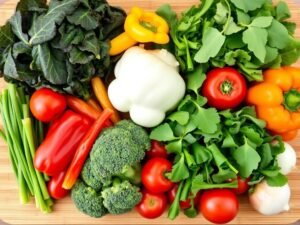
Leafy Greens
Spinach, kale, and other dark leafy greens contain vitamin E, which helps protect your body from pro-inflammatory molecules. They’re also rich in antioxidants and essential nutrients.
Practical tip: Add a handful of greens to smoothies (you’ll barely taste them!), use as a base for salads, or sauté with garlic as a simple side dish.
Broccoli and Other Cruciferous Vegetables
Broccoli, cauliflower, and Brussels sprouts contain sulforaphane, an antioxidant that fights inflammation and may help prevent cancer.
Practical tip: Roast broccoli with olive oil and garlic for a delicious side dish, or add to stir-fries and pasta dishes.
Bell Peppers
Colourful bell peppers contain vitamin C and antioxidants that help reduce inflammation. The brighter the color, the more antioxidants they contain.
Practical tip: Slice raw peppers for dipping in hummus, roast them for added sweetness, or add scrambled eggs for a nutritious breakfast.
Tomatoes
Tomatoes are rich in lycopene, an antioxidant that helps reduce inflammation related to several chronic conditions. Cooking tomatoes increases their lycopene content.
Practical tip: Make a simple tomato sauce with olive oil (which helps absorb lycopene), add sliced tomatoes to sandwiches, or enjoy cherry tomatoes as a snack.
Anti-Inflammatory Proteins: Building Blocks for Healing
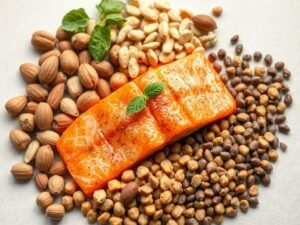
Fatty Fish
Salmon, sardines, mackerel, and other fatty fish are rich in omega-3 fatty acids, powerful anti-inflammatory compounds that help balance inflammation.
Practical tip: Aim for 2-3 servings of fatty fish per week. Try simple grilled salmon, add sardines to salads, or use canned tuna (in water) for quick meals.
Resource: AJCN: Omega 3s
Nuts and Seeds
Walnuts, almonds, flaxseeds, and chia seeds contain healthy fats, fibre, and antioxidants that help reduce inflammation markers in your body.
Practical tip: Sprinkle ground flaxseeds on oatmeal, add a small handful of walnuts to salads, or enjoy a tablespoon of almond butter with apple slices.
Legumes
Beans, lentils, and chickpeas are excellent sources of fibre and antioxidants that help reduce inflammation while providing plant-based protein.
Practical tip: Add beans to soups and salads, enjoy hummus as a snack with vegetables, or try a simple lentil soup for a comforting meal.
Anti-Inflammatory Spices and Herbs: Flavor with Benefits
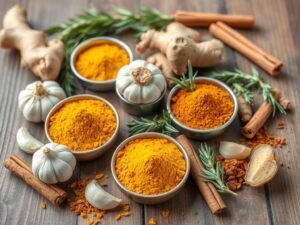
Turmeric
Turmeric contains curcumin, a compound with powerful anti-inflammatory effects that has been compared to some anti-inflammatory medications. It’s particularly helpful for joint pain.
Practical tip: Add turmeric to scrambled eggs and rice dishes, or make golden milk by warming plant milk with turmeric, cinnamon, and a touch of honey.
Ginger
Fresh ginger contains gingerol, a powerful anti-inflammatory and antioxidant properties that may help reduce muscle pain and soreness.
Practical tip: Add grated fresh ginger to stir-fries, brew ginger tea, or add to smoothies for a spicy kick.
Resource: NIH: Gingerol
Garlic
Garlic contains sulfur compounds that stimulate your immune system to fight inflammation. It adds tremendous flavour while boosting your health.
Practical tip: Add minced garlic to almost any savoury dish. For maximum benefits, crush garlic and let it sit for 10 minutes before cooking.
Anti-Inflammatory Fats and Oils: The Good Kinds of Fat
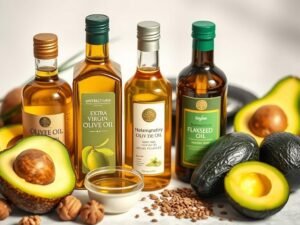
Extra Virgin Olive Oil
Extra virgin olive oil contains oleocanthal, an antioxidant with anti-inflammatory effects similar to ibuprofen. It’s a staple of the Mediterranean diet, known for its health benefits.
Practical tip: Use as your primary cooking oil for low to medium-heat cooking, drizzle over vegetables before roasting, or mix with lemon juice and herbs for a simple salad dressing.
Coconut Oil
Though controversial, some studies suggest that the medium-chain triglycerides (MCTs) in coconut oil may have anti-inflammatory properties when used in moderation.
Practical tip: Use sparingly for medium-heat cooking or add a teaspoon to smoothies for a creamy texture.
Other Anti-Inflammatory Foods Worth
Mentioning

Green Tea
Green tea is rich in antioxidants called catechins, particularly EGCG, which inhibit inflammation and may protect your cells from damage.
Practical tip: Enjoy 1-2 cups of green tea daily. Try iced with lemon in summer or hot with honey in winter.
Dark Chocolate
Dark chocolate (70% cocoa or higher) contains antioxidant and anti-inflammatory flavanols. It’s a delicious way to fight inflammation.
Practical tip: Enjoy a small square (about 1 ounce) of dark chocolate as an occasional treat. Pair with berries for extra antioxidants.
Mushrooms
Mushrooms contain unique compounds that may help regulate your immune system and reduce inflammation. Different varieties offer different benefits.
Practical tip: Slice mushrooms and add them to stir-fries, soups, or sauté as a side dish. Try different varieties, such as shiitake, oyster, or button mushrooms.
Foods That May Promote Inflammation

While focusing on anti-inflammatory foods, being aware of foods that may increase inflammation is also helpful. Try to limit:
- Refined carbohydrates like white bread, pastries, and white rice
- Fried foods and foods high in trans fats
- Sugar-sweetened beverages and foods with added sugars
- Processed meats like hot dogs, bacon, and some deli meats
- Excessive alcohol consumption
Remember, you don’t need to eliminate these foods. The goal is to reduce them while increasing your intake of anti-inflammatory foods. Small, sustainable changes are more effective than drastic diets.
Quick Start: 3 Easy Anti-Inflammatory Recipes
Ready to put your knowledge into practice? Here are three simple recipes featuring anti-inflammatory ingredients that anyone can make:
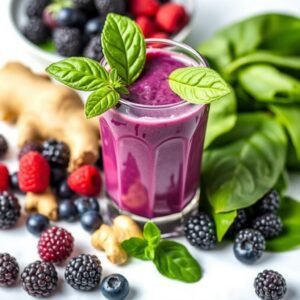
Anti-Inflammatory Berry Smoothie
Ingredients:
- 1 cup mixed berries (fresh or frozen)
- 1 handful spinach
- 1/2 inch fresh ginger, peeled
- 1 tablespoon ground flaxseed
- 1 cup unsweetened almond milk
- Optional: 1 teaspoon honey or maple syrup
Instructions: Blend all ingredients until smooth. Enjoy immediately.
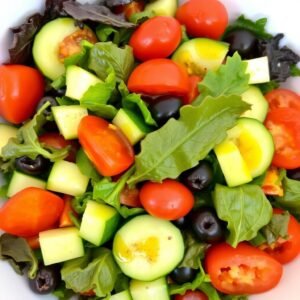
Simple Mediterranean Salad
Ingredients:
- 2 cups mixed dark leafy greens
- 1/2 cucumber, chopped
- 1 cup cherry tomatoes, halved
- 1/4 red onion, thinly sliced
- 1/4 cup walnuts, chopped
- 2 tablespoons extra virgin olive oil
- 1 tablespoon lemon juice
- Salt and pepper to taste
Instructions: Combine all vegetables in a bowl. Whisk olive oil and lemon juice, then drizzle over salad. Top with walnuts.

Golden Turmeric Tea
Ingredients:
- 1 cup plant milk or water
- 1/2 teaspoon ground turmeric
- 1/4 teaspoon ground ginger (or 1/2 inch fresh)
- 1/4 teaspoon cinnamon
- Pinch of black pepper (enhances turmeric absorption)
- 1 teaspoon honey (optional)
Instructions: Warm all ingredients in a small saucepan over medium heat. Simmer for 5 minutes, strain if using fresh ginger, and enjoy.

Start Small
Don’t try to overhaul your entire diet at once. Begin by adding one or two anti-inflammatory foods to your daily meals. Small, consistent changes are more sustainable than drastic ones.
Focus on Variety
Different colored fruits and vegetables contain different anti-inflammatory compounds. Aim for a rainbow of colors on your plate to get the widest range of benefits.
Prep in Advance
When you get home from the store, wash and chop vegetables so they’re ready to use. Cook larger batches of beans or grains to use throughout the week.
Listen to Your Body
Pay attention to how different foods make you feel. Everyone’s body responds differently; what works for someone else might not work for you.
Stay Hydrated
Drinking plenty of water helps your body flush out toxins and supports overall health. For extra benefits, add lemon, cucumber, or berries to your water.
Be Patient
Anti-inflammatory eating is not a quick fix. It may take weeks or even months to notice significant changes in your mood. Stick with it!
Need more structure? [Adapt our balanced meal prep guide] for inflammation focus.
How quickly will I notice benefits from anti-inflammatory foods?
Everyone responds differently to dietary changes. Some people notice improvements in energy, digestion, or pain levels within a few weeks, while for others it may take months of consistent eating. The key is consistency rather than expecting overnight results.
Do I need to completely eliminate inflammatory foods?
No, complete elimination is usually unnecessary and can make your diet feel restrictive. Instead, focus on reducing inflammatory foods while increasing anti-inflammatory ones. The 80/20 approach works well for many people – aim for healthy choices 80% of the time.
Can supplements replace anti-inflammatory foods?
While certain supplements (like omega-3s or turmeric) can help, they don’t provide the full spectrum of nutrients and compounds found in whole foods. Whenever possible, focus on getting nutrients from real food first, and use supplements as a complement rather than a replacement.
Is the anti-inflammatory diet suitable for everyone?
Most people can benefit from incorporating more anti-inflammatory foods into their diet. However, if you have specific health conditions, food allergies, or are taking medications, it’s best to consult with a healthcare provider before making significant dietary changes.
Your Anti-Inflammatory Journey: Next Steps
Incorporating anti-inflammatory foods into your diet doesn’t have to be complicated or overwhelming. Start with the foods you enjoy from this list, and gradually explore new options. Remember that consistency matters more than perfection – even small changes can make a big difference in how you feel over time.
As you continue your anti-inflammatory journey, consider how different foods affect your body. Everyone’s needs are unique, and what works best for you may be different from someone else. The key is finding a sustainable approach that you can maintain long-term.
Ready to Stock Your Kitchen with Anti-Inflammatory Foods?
Get our free printable anti-inflammatory foods shopping list to make your next grocery trip easier. This handy guide organizes all the foods mentioned in this article by category, so you’ll never forget which items to look for.