What is Gatorade?
When you check the Gatorade nutrition label, you might expect to see a drink designed purely for hydration. But that label reveals much more than water and electrolytes—it uncovers added sugars, sodium, and ingredients that could either support or sabotage your fitness goals. Understanding what’s inside is essential before your next sip.
Citation: Academy of Nutrition & Dietetics: Sports Hydration Guidelines
What Is Gatorade, and Why Was It Created?
Gatorade was developed in 1965 by researchers at the University of Florida to help athletes stay hydrated and replenish electrolytes lost through sweat.
Since then, it has become a go-to sports drink for athletes and casual drinkers alike. But that growing popularity comes with a growing concern: Are we overusing Gatorade in ways it wasn’t designed for?
The Gatorade Nutrition Label—Breaking It Down
Here’s a standard snapshot for a 20 oz (591 mL) bottle of Gatorade Thirst Quencher:
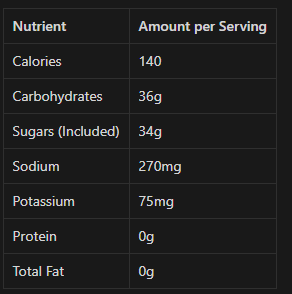
Citation: U.S. Dietary Guidelines: Added Sugars Limit
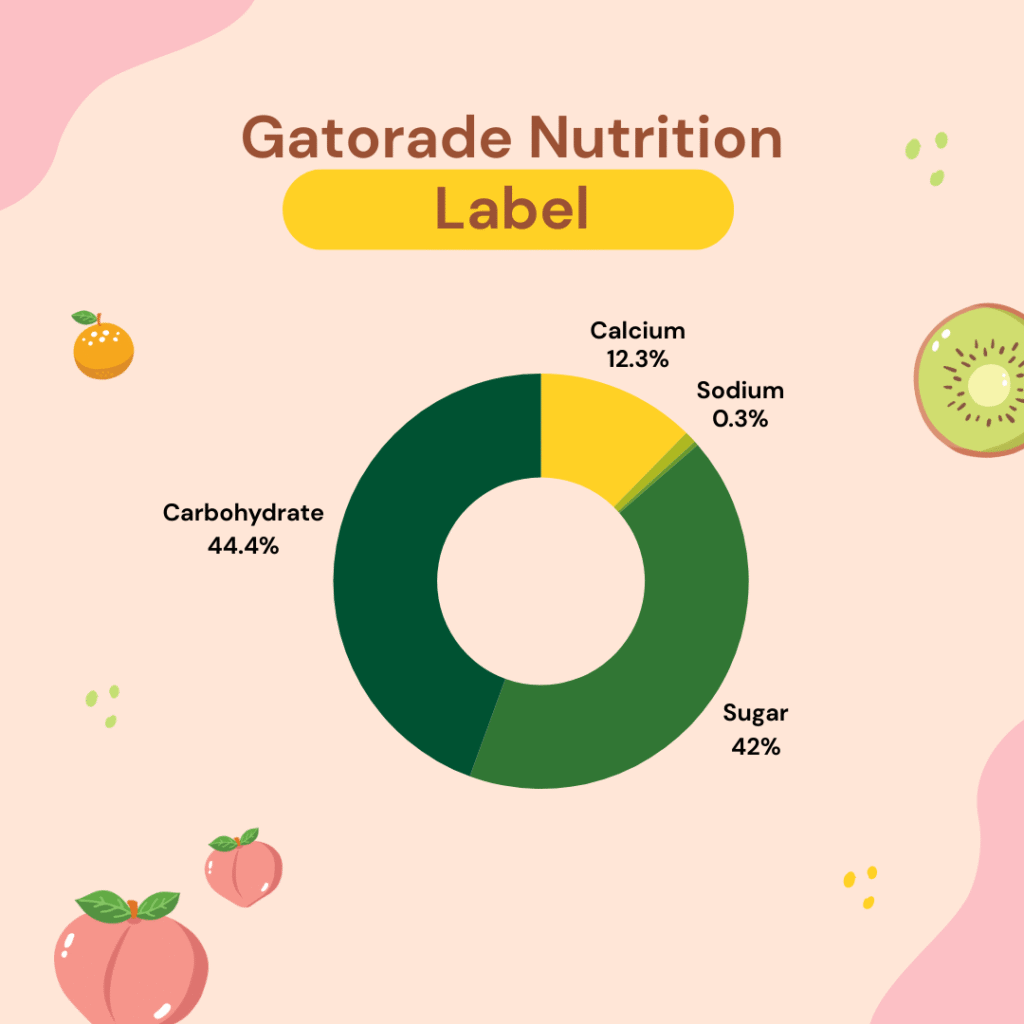
What’s in the Bottle? Gatorade’s Ingredients Explained
A typical bottle of Gatorade contains:
- Water: The base.
- Sugars (Sucrose, Dextrose): Provide fast-acting carbs.
- Salt (Sodium Chloride) and Monopotassium Phosphate: Replace electrolytes.
- Citric Acid and Sodium Citrate: Add tartness and balance acidity.
- Food dyes (like Yellow 5 or Red 40): For visual appeal.
- Natural & Artificial Flavors.
Citation: WHO: Sugary Drinks & Health Risks
High in [sugar/sodium/fiber]? Learn how to manage your daily intake in our guide to [How Much Dietary Fiber Per Day?]
While effective for athletes, these ingredients don’t make Gatorade a “healthy beverage” for daily use—especially for children and sedentary individuals.
Serving Size Warning: It’s Not Always One Bottle = One Serving
Though most Gatorade bottles are 20 oz (1 serving), larger sizes like 32 oz may contain 2.5 servings. That means you could consume over 300 calories and 85g of sugar in one go without realizing it.
Citation: FDA: Serving Size Regulations
Why the Nutrition Label Matters
It’s not just about what’s in your drink—it’s about whether your body needs it.
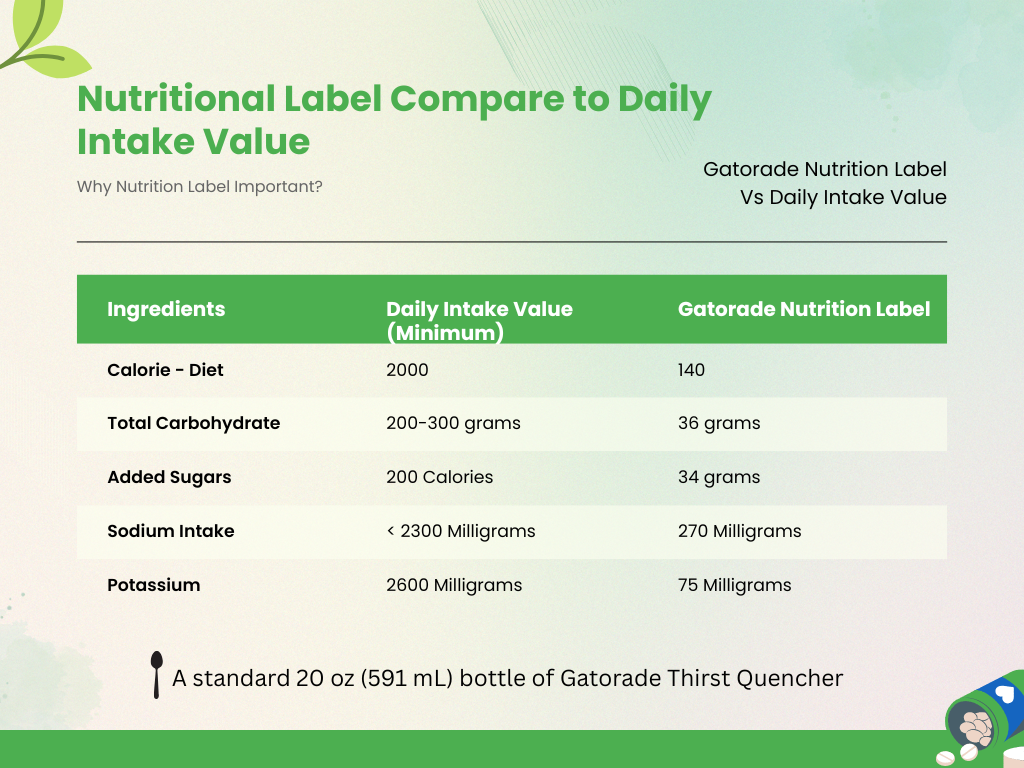
According to the American Heart Association, adults should consume less than 2,300 mg of sodium daily, ideally around 1,500 mg. Meanwhile, added sugars should not exceed 200 calories/day (≈50g) on a 2,000-calorie diet [Source: PubMed].
Each Gatorade bottle puts a serious dent in these limits.
Confused by serving sizes or %DV? Master label reading with [How to Read a Nutrition Label Correctly].
Health Benefits vs. Health Risks
✅ When It Helps:
- Hydration during endurance events
- Electrolyte balance after intense sweating
- Quick energy during long-duration physical activities
⚠️ When It Harms:
- Contributes to excess sugar intake
- May worsen conditions like diabetes or hypertension
- Adds empty calories for sedentary individuals
Regular Gatorade’s high sugar content may not suit sedentary lifestyles. Excess sugar consumption is linked to increased health risks: American Heart Association
Gatorade Flavors and Nutrition Facts
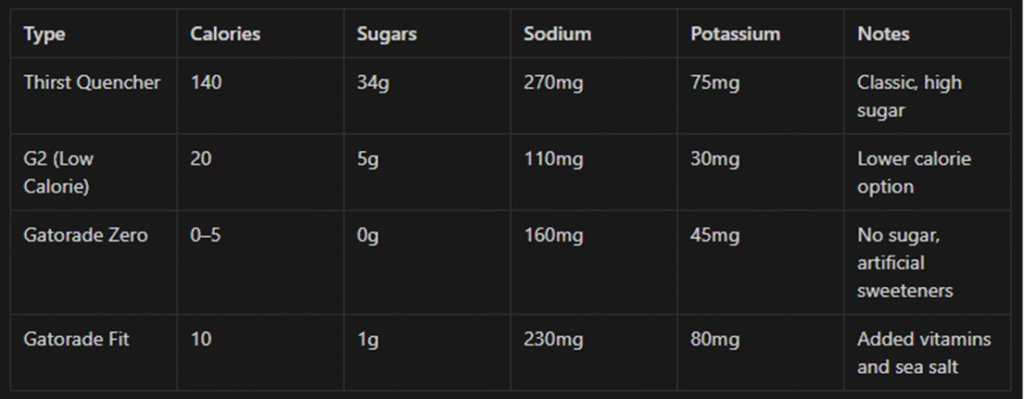
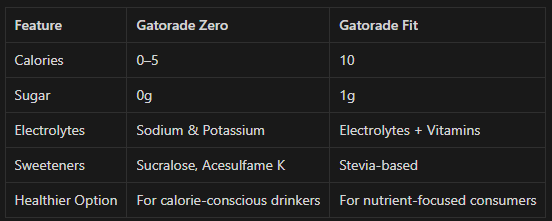
Better Options: Gatorade Zero & Gatorade Fit
Is Gatorade good for hydration?
Yes. Its electrolytes make it suitable for athletes and individuals in high-heat environments.
Does Gatorade Zero have sugar?
No. Gatorade Zero is sugar-free, sweetened with sucralose and acesulfame potassium.
Can you drink Gatorade every day?
For non-athletes, daily consumption may lead to excessive sugar or sodium intake. Gatorade Zero or Fit is better for daily hydration.
Is Gatorade suitable for kids?
In moderation. High sugar drinks are not recommended for children unless involved in intense sports.
What about kids and teens?
Unless they’re in long-duration sports, plain water is best [Source: PubMed Central].
Final Thought: Hydrate With Purpose
Gatorade can be a powerful tool—for the right person at the right time. But overusing it like flavoured water does more harm than good. Before you sip, flip the bottle and read the label. Ask yourself: Do I need this? Or would water be enough?
Because smart hydration starts with smart choices.
💡 Want to hydrate smarter?
Compare labels. Evaluate your activity level. And choose the Gatorade version that fits your lifestyle—not just the one with the coolest color.
Citations
-
Centers for Disease Control and Prevention (CDC) – Sports drink sugar contentReferences for Gatorade…
-
American Heart Association – Sugar-sweetened beverages and health risksReferences for Gatorade…
-
Gatorade Official Nutrition Portfolio – Official Gatorade nutrition factsTypes of Gatorade & The…
-
PubMed Study on Artificial Sweeteners – Effects of artificial sweeteners