Fibre may not get the same spotlight as trendier nutrients, but it plays a vital role in digestive health, weight management, and lowering the risk of chronic diseases. Despite its importance, most Americans consume only about half of the recommended daily intake. Knowing how much dietary fiber per day you need—and how to incorporate it into your meals—can greatly enhance your overall health and well-being.
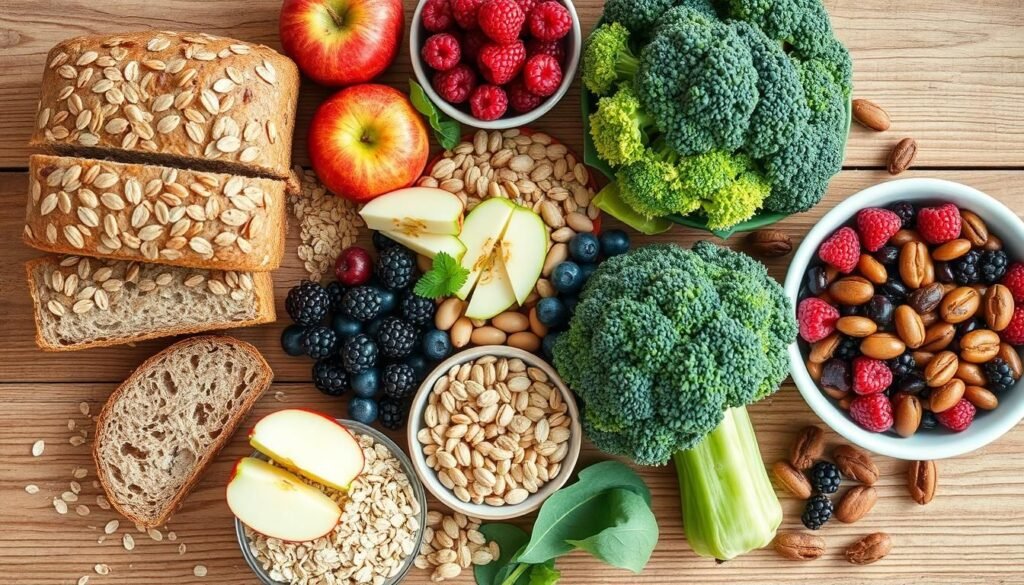
Daily Fiber Intake Recommendations by Age and Gender
The amount of dietary fiber you need varies based on your age and gender. According to the USDA’s Dietary Guidelines for Americans, here are the recommended daily amounts:

Despite these recommendations, studies show that the average American consumes only about 16 grams of fibre daily—far below the recommended amounts. This fibre gap contributes to various health issues, from digestive problems to increased chronic disease risk.

Understanding Different Types of Dietary Fiber
Not all fiber is created equal. There are two main types, each with unique benefits for your health:
Soluble Fiber
This type dissolves in water to form a gel-like substance. It helps:
- Lower cholesterol levels
- Regulate blood sugar
- Reduce heart disease risk
- Feed beneficial gut bacteria
Sources: Oats, barley, nuts, seeds, beans, lentils, peas, and some fruits and vegetables (apples, citrus fruits, carrots)

Insoluble Fiber
This type doesn’t dissolve in water and adds bulk to stool. It helps:
- Prevent constipation
- Promote regular bowel movements
- Remove waste efficiently
- Support digestive health
Sources: Whole grains, wheat bran, nuts, beans, cauliflower, green beans, and potatoes with skin
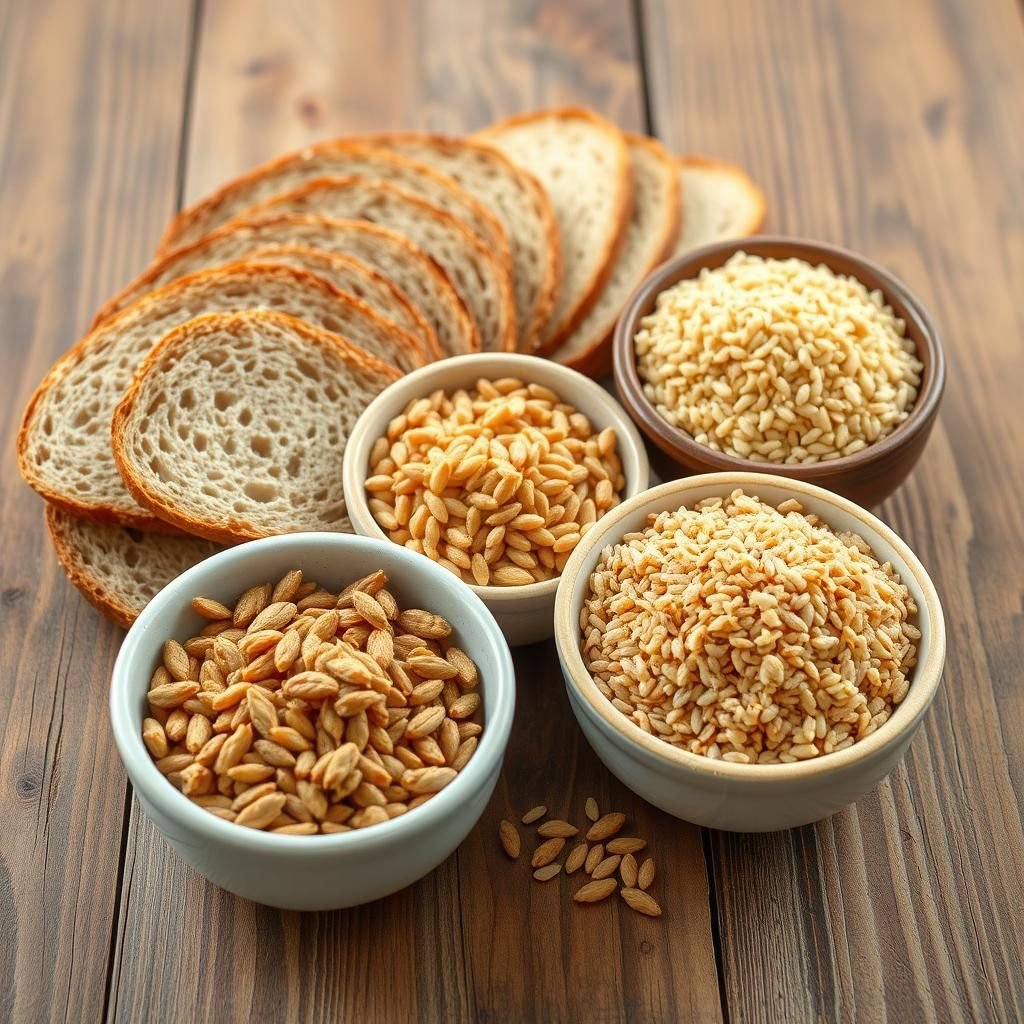
What is roughage? “Roughage” is simply another term for dietary fiber, particularly insoluble fiber. It refers to the parts of plant foods that your body cannot digest or absorb, but that provide bulk to your diet and help with digestion.
High Fiber Foods to Include in Your Diet
Incorporating fiber-rich foods into your daily meals doesn’t have to be complicated. Here are some excellent sources of dietary fiber that can help you reach your daily goals:
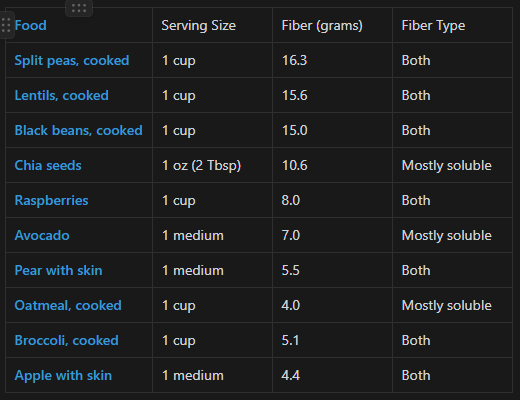
Psyllium offers 6g fiber/tsp vs. chia’s 5g/Tbsp. Choose based on tolerance
Hit your daily target easily with these [high-fiber foods that boost gut health], like lentils and chia seeds
High Fiber Low Carb Foods
For those following a low-carb diet, getting enough fiber can be challenging. Here are excellent high-fiber, low-carb options:

Avocados
7g fiber per medium avocado
12g net carbs
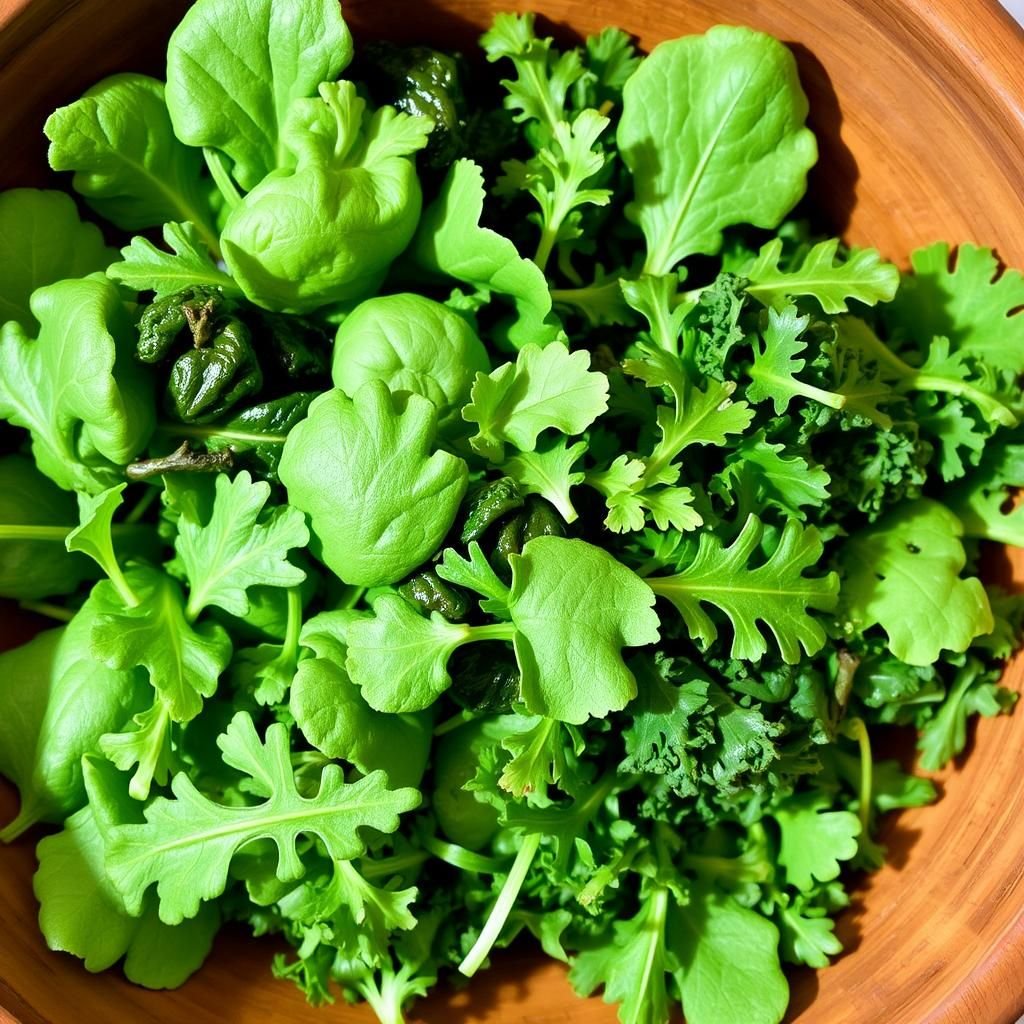
Leafy Greens
4-5g fiber per cooked cup
2-5g net carbs
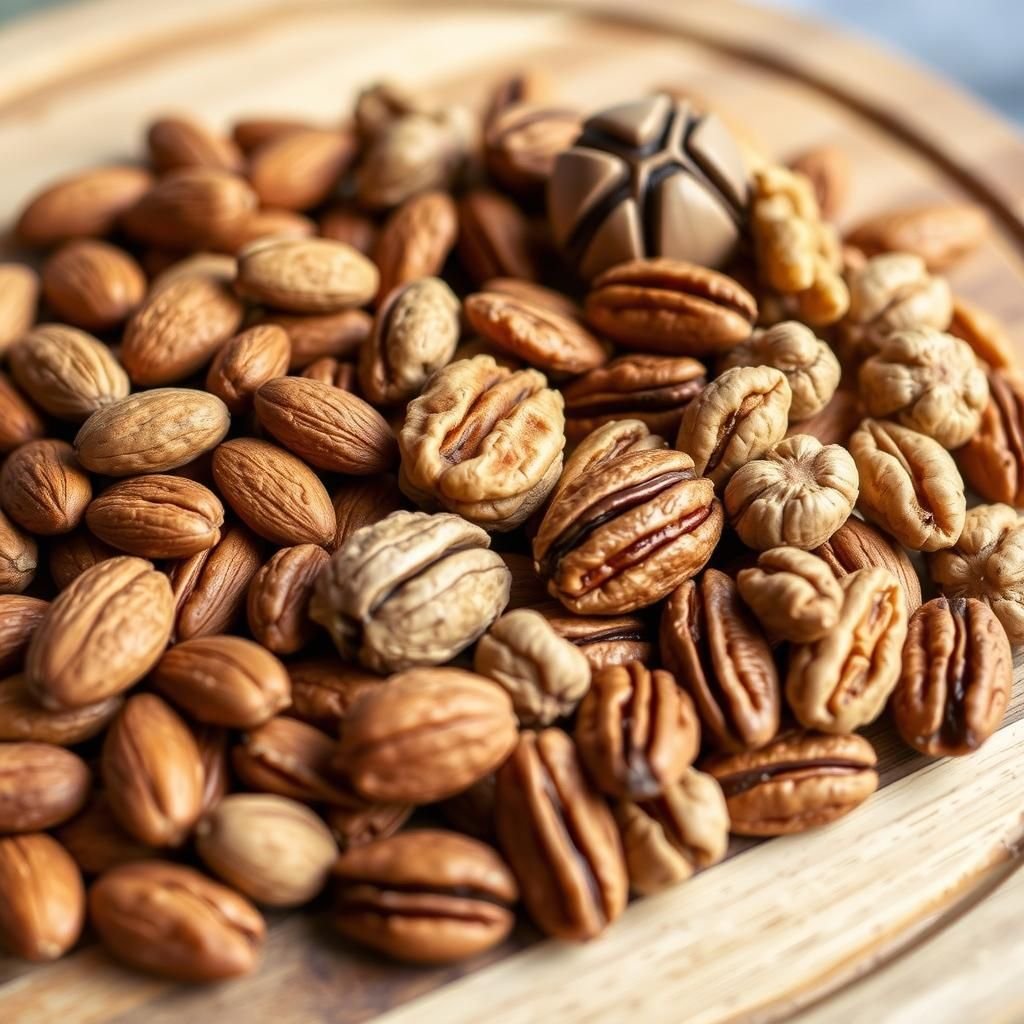
Nuts
3-4g fiber per ounce
2-7g net carbs

Berries
4-8g fiber per cup
5-12g net carbs
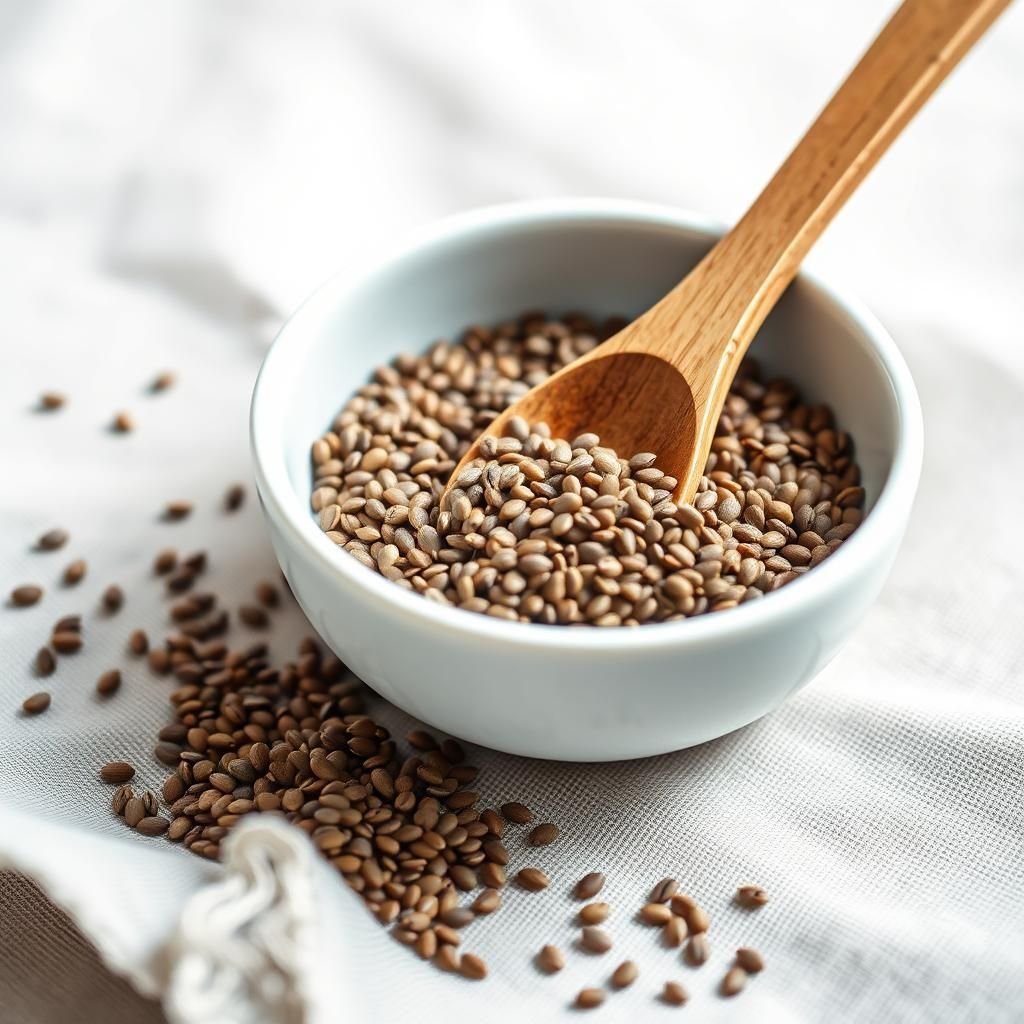
Chia Seeds
10g fiber per ounce
2g net carbs

Cruciferous Vegetables
3-5g fiber per cup
2-5g net carbs
High Fiber Meal Plan Ideas
Incorporating enough fiber into your daily diet becomes easier with a structured meal plan. Here’s a sample 7-day high-fiber meal plan to help you reach your daily fiber goals:

Sample One-Day High Fiber Meal Plan (28g total)
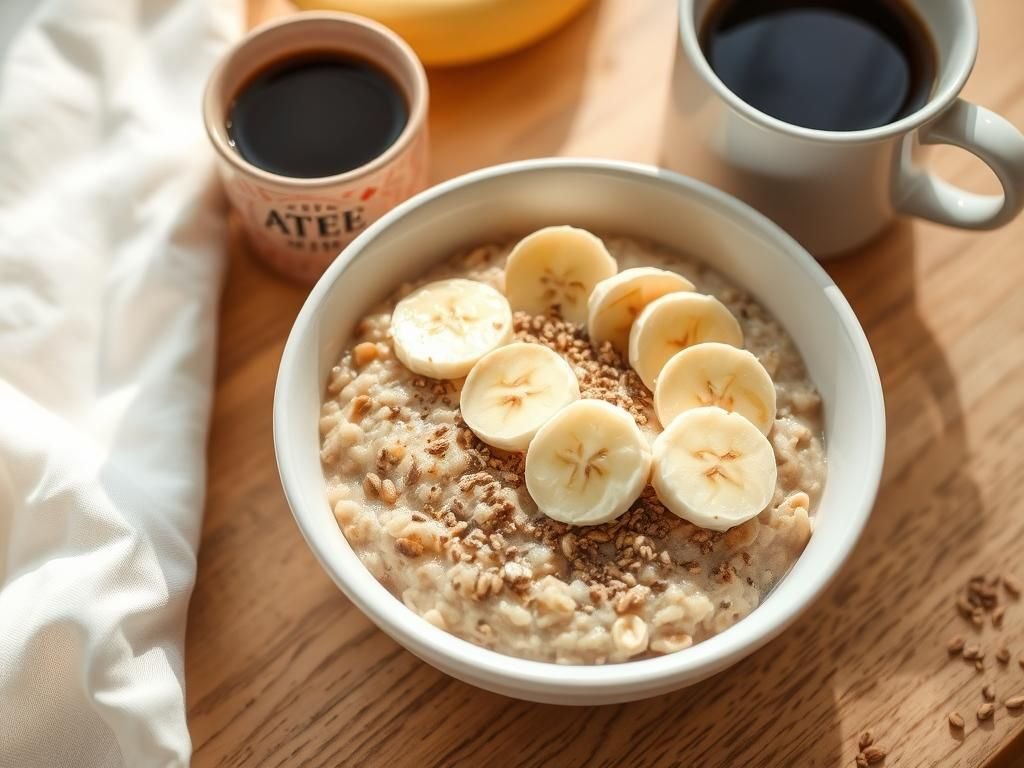
Breakfast (9g fiber)
- 1 cup steel-cut oatmeal (4g)
- 1 medium banana (3g)
- 1 Tbsp chia seeds (2g)
- Coffee or tea
Lunch (8g fiber)
- Sandwich on whole grain bread (4g)
- 1 medium apple with skin (4g)
- Water or unsweetened tea

Snack (3g fiber)
- 1/4 cup almonds (3g)
- Water or herbal tea
Dinner (8g fiber)
- 3 oz grilled chicken
- 1/2 cup black beans (7g)
- 1 cup steamed broccoli (5g)
- 1/2 cup brown rice (2g)
- Water or unsweetened beverage

Common Concerns About Dietary Fiber
Can too much fiber cause constipation?
While fiber generally helps prevent constipation, consuming too much fiber too quickly can actually cause constipation, especially if you don’t drink enough water. Fiber absorbs water, and without adequate fluid intake, it can become compacted and difficult to pass. If you’re increasing your fiber intake, do so gradually (add 5g per week) and drink plenty of water (at least 8 glasses daily).
What are the symptoms of too little fiber?
A lack of dietary fiber in your diet may cause:
- Constipation or irregular bowel movements
- Elevated cholesterol levels
- Blood sugar fluctuations
- Persistent hunger and difficulty maintaining weight
- Fatigue and low energy
What are the symptoms of too much fiber?
Consuming excessive amounts of fiber, especially if increased too quickly, can lead to:
- Bloating and gas
- Abdominal cramping
- Constipation (if not enough water is consumed)
- Diarrhea
- Reduced absorption of certain minerals
If you experience these symptoms, reduce your fiber intake temporarily and increase it more gradually.
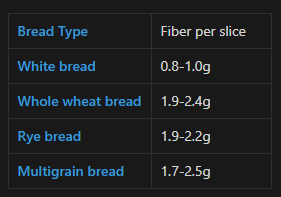
When choosing bread, look for “whole grain” as the first ingredient and aim for at least 2-3g of fiber per slice. Don’t be fooled by terms like “multigrain” or “wheat bread” without checking the nutrition facts and ingredients list.

Fiber Supplements: Benefits and Considerations
While whole foods are the ideal source of dietary fiber, supplements can help bridge the gap when dietary intake falls short.
Benefits of Fiber Supplements
- Convenience when dietary changes are challenging
- Precise dosing for specific health conditions
- May help manage constipation, diarrhea, or IBS symptoms
- Can support weight management goals
- May help lower cholesterol and stabilize blood sugar
Types of Fiber Supplements
- Psyllium: Forms a gel that helps with both constipation and diarrhea
- Methylcellulose: Less likely to cause gas and bloating
- Inulin: Prebiotic fiber that feeds beneficial gut bacteria
- Wheat dextrin: Dissolves clearly in water with minimal taste
Important: Always consult with your healthcare provider before starting any supplement regimen. Fiber supplements can interact with certain medications by affecting their absorption. Take supplements at least 2 hours before or after other medications.
Natural Alternatives to Fiber Supplements
Before turning to supplements, consider these natural fiber boosters:

Fiber from Bananas
A medium banana contains about 3g of fiber. Slightly underripe bananas contain resistant starch, a type of fiber that feeds beneficial gut bacteria.
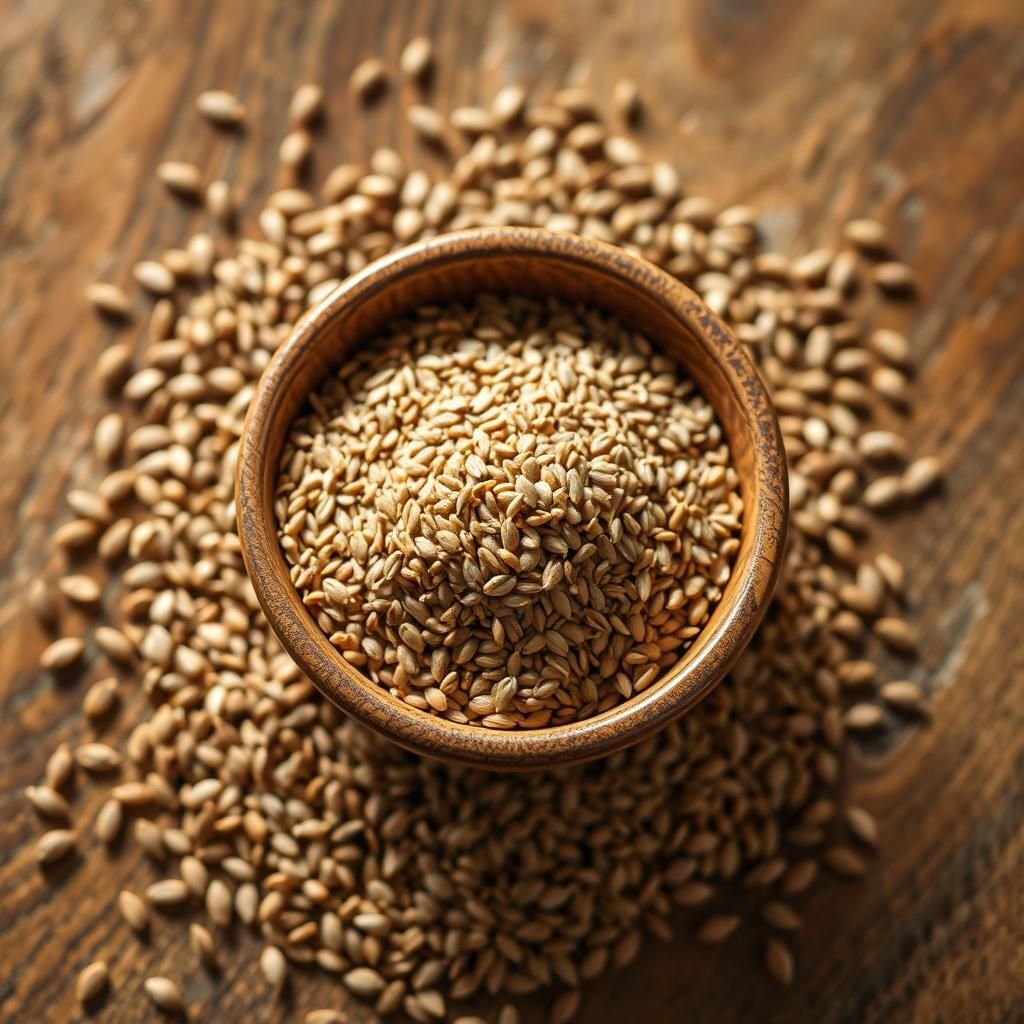
Ground Flaxseed
Just 2 tablespoons provide 4g of fiber. Sprinkle on yogurt, oatmeal, or blend into smoothies.

Chia Seed Pudding
2 tablespoons of chia seeds provide 10g of fiber. Make a simple pudding by soaking in milk or plant-based alternatives.
Practical Tips for Increasing Your Fiber Intake
Gradually increasing your fiber intake is key to avoiding digestive discomfort. Here are some practical strategies to help you reach your daily fiber goals:
Start Slow and Stay Hydrated
- Increase fiber intake by only 5g per week
- Drink at least 8 glasses of water daily
- Pay attention to how your body responds
- Distribute fiber intake throughout the day

Simple Swaps for More Fiber
- Choose whole fruit instead of juice
- Swap white rice for brown rice or quinoa
- Use whole grain bread instead of white bread
- Add beans or lentils to soups and salads
- Keep skins on fruits and vegetables when appropriate
- Snack on nuts and seeds instead of chips
Easy Ways to Add Fiber to Everyday Meals
Breakfast Boosters
- Add berries to cereal or yogurt
- Mix ground flaxseed into oatmeal
- Choose high-fiber cereals (5g+ per serving)
- Include avocado on whole grain toast
Lunch Enhancers
- Add beans to salads and soups
- Include a side of raw vegetables
- Choose whole grain wraps and breads
- Sprinkle seeds on salads
Dinner Additions
- Start with a leafy green salad
- Replace half your pasta with vegetables
- Choose brown rice or quinoa as sides
- Add beans to meat dishes

Conclusion: Finding Your Fiber Balance
Meeting your daily fiber needs doesn’t require drastic diet changes. By gradually incorporating more high-fiber foods and following the practical tips in this guide, you can reach the recommended 22-34 grams of dietary fiber per day based on your age and gender.
Remember that both soluble and insoluble fiber play important roles in your health. A varied diet rich in whole grains, legumes, fruits, vegetables, nuts, and seeds will provide the right mix of fiber types to support digestive health, manage weight, stabilize blood sugar, and reduce disease risk.
If you struggle to get enough fiber from food alone, supplements can help—but always consult with a healthcare provider first, especially if you have existing digestive conditions.
Resource: Nature Scientific Reports: Microbiome Impact | ADA: Low-Carb Fiber
Start Your High-Fiber Journey Today
Download our comprehensive 7-day high-fiber meal plan with shopping lists and preparation tips to make meeting your daily fiber goals simple and delicious.