Maintaining hormonal balance is essential for overall well-being. Hormones govern vital bodily functions, from mood swings to metabolism. Your diet can be a powerful tool if you’re looking for natural ways to balance hormones. This guide explores the hormone-balancing diet, foods that regulate hormones, ketogenic diet insights, and practical dietary tips to keep your body in harmony.
Introduction to Hormonal Balance
Hormones are chemical messengers that affect many aspects of health — from stress levels to digestion to reproductive functions. Balancing hormones naturally through nutrition provides a long-term solution without relying solely on medication. A hormone-balancing diet can stabilize mood, improve sleep, boost energy, and support weight management.
How Diet Impacts Hormones
Food is information for your body, influencing how hormones are produced, how efficiently they function, and how they are cleared from the body. Nutrient deficiencies, poor eating habits, and processed foods can disrupt hormonal health. Conversely, a diet rich in hormone-friendly foods like healthy fats, fiber, and antioxidant-rich plants supports endocrine balance.
Key nutrients for hormonal health:
- Omega-3 Fatty Acids Help reduce inflammation and support hormonal pathways.
- Fiber: Assists in estrogen detoxification and stabilizes blood sugar.
- Magnesium: Essential for stress hormone regulation.
- Antioxidants: Combat oxidative stress, protecting hormone-producing glands.
Resource: NIH: Omega 3s
Ketogenic Diet Insights for Hormonal Balance
Recent research highlights how a ketogenic diet (KD) can profoundly influence hormone balance:
Insulin Sensitivity & Blood Sugar Regulation:
KD improves insulin resistance by shifting the body’s fuel source from glucose to fats/ketones. This stabilizes blood sugar and reduces insulin spikes.
Tip: Restrict carbs to ~50g/day (or ~30g net carbs) for enhanced insulin sensitivity, especially helpful for type 2 diabetes management.
Resource: NIH: Ketogenic Diet
Appetite Hormones & Satiety:
KD influences fat-mediated appetite hormones like galanin, helping reduce hunger and promoting satiety.
Tip: High-fat, moderate-protein KD protocols can control cravings and overeating.
Thyroid & Steroid Hormone Receptors:
KD may enhance the function of retinoic acid receptors crucial for energy metabolism and insulin sensitivity.
Tip: Incorporate vitamin A-rich foods (e.g., liver, eggs) to support these pathways.
Sex Hormones & Body Composition:
KD shows sex-specific effects on fat loss, notably benefiting men more based on genetic variations.
Tip: Tailor macronutrient ratios according to biological sex for optimal hormone balance.
Brain Hormones & Cognitive Health:
KD fuels the brain with ketones, improving cognitive functions, especially beneficial for individuals carrying the APOE ε4 gene.
Tip: Combine KD with MCT oil for enhanced brain health in APOE ε4 carriers.
Cholesterol & Cardiovascular Hormones:
Some may experience elevated LDL on KD, but often it’s the larger, less harmful LDL particles.
Tip: Replace saturated fats with unsaturated fats like avocado and olive oil if LDL levels increase.
Reduce inflammation—a key hormone disruptor—with these [top anti-inflammatory foods].
Personalized Strategies:
- Monitor Ketosis: Aim for blood ketones >0.5 mM for therapeutic efficacy.
- Prioritize Omega-3s: Boost ketone production and enhance fat metabolism.
- Test and Personalize: Genetic tests like APOE or palmitoleic acid biomarkers help tailor dietary strategies for maximum hormonal benefits.
Reference: Aronica L, et al. BMJ Nutrition, Prevention & Health 2020;3:e000167. BMJNPH Study on KD & Hormones.
Top Foods That Balance Hormones
Integrating the right foods into your diet can naturally optimize hormone levels. Here are some of the best foods for hormonal balance:
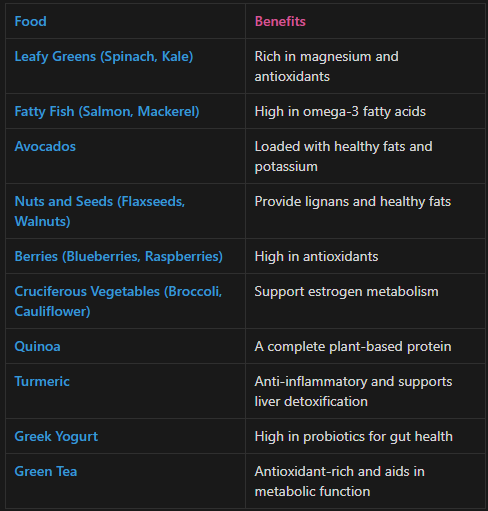
Pro Tip: Incorporating a variety of these hormone-supporting foods ensures a balanced nutrient intake for optimal endocrine function.
Foods to Avoid for Hormone Balance
While some foods support hormonal health, others can disrupt it. Minimizing these foods can prevent hormonal imbalances:
- Processed Foods: High in refined sugars and unhealthy fats.
- Excessive Caffeine: Can increase cortisol (stress hormone) levels.
- Alcohol: Interferes with hormone metabolism, especially estrogen.
- Non-organic Dairy and Meat: May contain added hormones and antibiotics.
- Refined Carbohydrates: Spike blood sugar, leading to insulin resistance.
Choosing organic, whole foods where possible reduces your exposure to hormone-disrupting chemicals.
Discover how [plant-based eating] supports hormonal harmony and cardiovascular health
Sample Hormone Balancing Meal Plan
Here’s a simple meal plan designed to promote hormonal health:
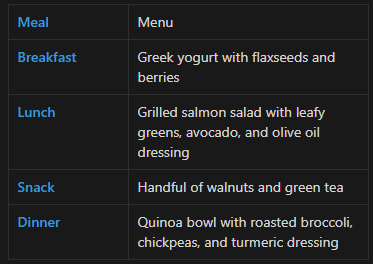
This plan includes hormone-friendly foods packed with nutrients essential for balancing hormones naturally.
Tips for Eating for Hormonal Health
- Prioritize Healthy Fats: Incorporate avocados, nuts, and olive oil daily.
- Increase Fiber Intake: Aim for 25-35g of fiber to assist with hormone detox.
- Limit Sugar and Processed Foods: Stabilize insulin and cortisol levels.
- Stay Hydrated: Proper hydration supports hormone transportation and metabolism.
- Eat Mindfully: Chew thoroughly and avoid overeating to reduce digestive stress.
- Personalize Your Diet: Consider genetic testing (e.g., APOE) for more precise diet planning.